
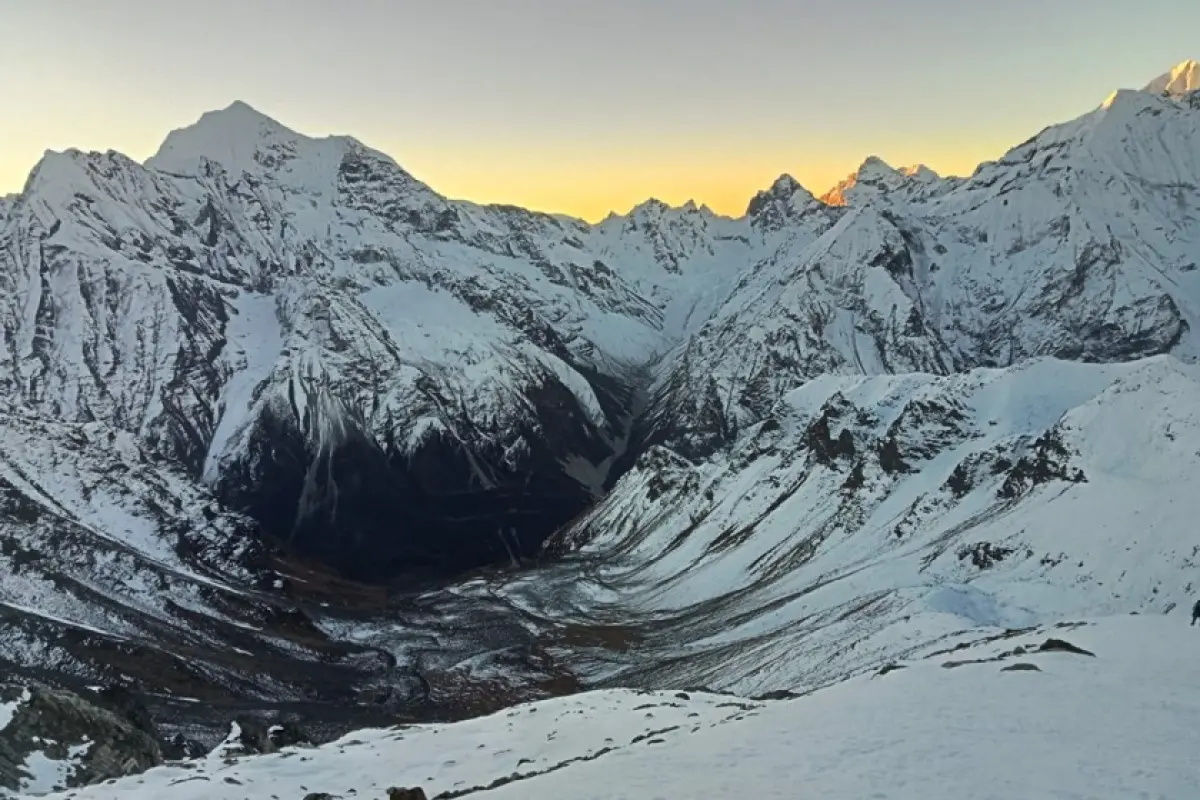
Yala Peak climbing in Nepal
Yala Peak climbing
yala-peak-climbing
yala-peak-climbing
Yala Peak Climbing

Yala Peak Climbing- 11 Days

48 Reviews in TripAdvisor
52 Reviews in Google

Yala Peak Climbing in Nepal is a challenging high-altitude climb, but does not require extreme technical skills. On our 11-day expedition, you traverse the spectacular glacier-carved Langtang Valley and vibrant forested trails past Tamang settlements before reaching the Kyanjin Gompa. From there, a snow climb carries you to Yala Peak's summit at 5,500 meters, where Shishapangma, Langtang Lirung, and Dorje Lakpa all come into view.

Trip Facts
Duration: 11 Days
Trip Grade: Fairly strenuous
Country: Nepal
Maximum Altitude: 5,500 meters (18,040 feet)
Starts: Kathmandu
Ends: Kathmandu
Group Size: Flexible (2 to 10 people)
Activities: Climbing
Best Time: Autumn (September to November) and Spring (March to May)

Yala Peak Climbing is one of the most sought-after entry points into Himalayan mountaineering. Trekking Plus delivers a comprehensive 11-day journey, with some real adjustments built in for current conditions in Langtang.

The trip starts with a drive from Kathmandu to Syabrubeshi, using rugged four-wheel-drive vehicles to handle the overland route given recent road damage from the Rasuwa floods. From Syabrubeshi, rather than the traditional riverside path, the trail climbs onto a secure high route via Sherpagaon.

This alternative route winds through quiet ridge villages and dense forest before dropping into the open valley at Langtang Village and on to Kyanjin Gompa. An acclimatization hike up Tserko Ri (5,000m) comes next, followed by the push to Yala Peak Base Camp.

Managing this high-altitude climb gets more complicated when trail conditions are shifting. For a hassle-free experience, Trekking Plus takes care of it. Our package covers ground transport, route planning around current conditions, climbing permits, national park fees, quality camping gear at base camp, and experienced guides focused on your safety throughout.

Book your 11-day Yala Peak Climbing expedition today. Contact our expert team.

Why Book the Yala Peak Climbing?

The Yala Peak Climbing expedition is a classic Himalayan journey that combines an engaging valley trek with a true summit climb. It is the ideal choice for trekkers looking to step into the world of mountaineering. Here are the top reasons to choose the Nepal Yala Peak Climbing journey in 2027/2028:

An Accessible, Non-Technical Summit: Yala Peak is rated "F," or easy, on the alpine climbing scale, which makes it achievable for fit hikers without a prior mountaineering background. It's a reliable and beginner-friendly place to learn basic rope work and crampon technique for the first time.

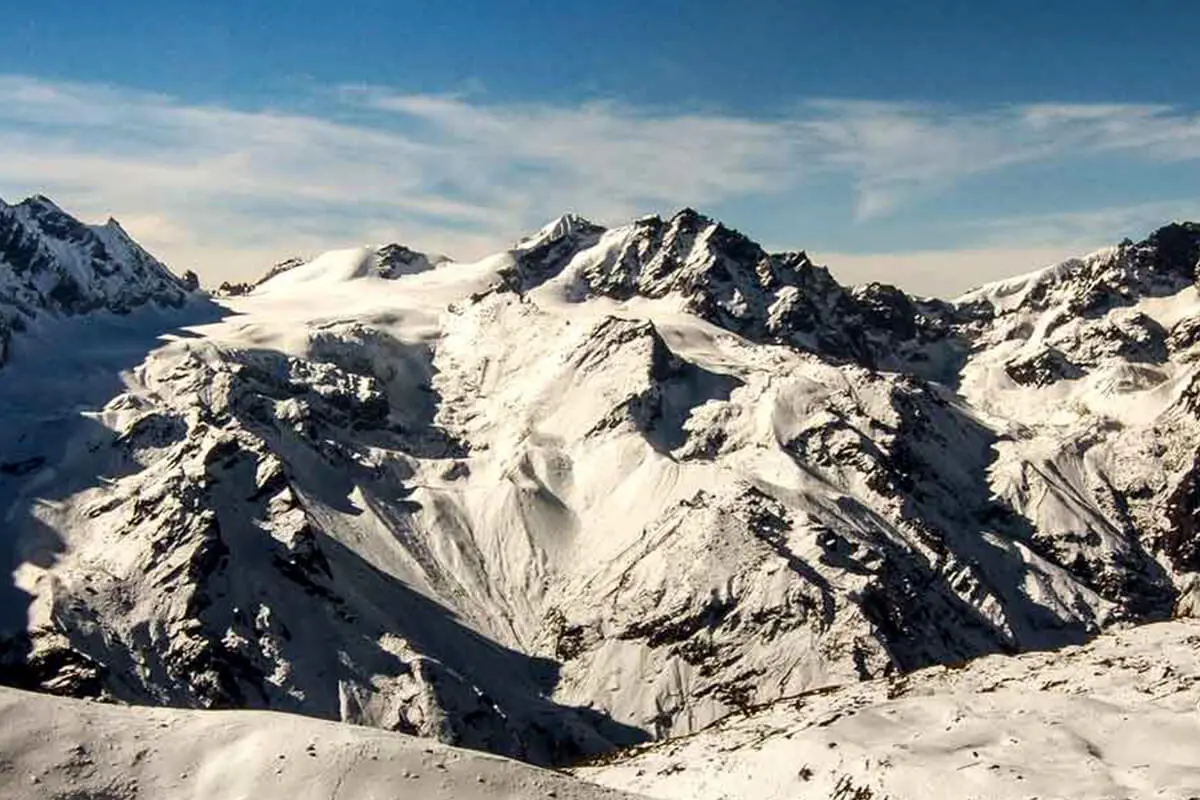
Panoramic Views of Eight-Thousand-Meter Peaks: Standing on the summit of Yala Peak brings you closer to the giants. You will look directly across the border into Tibet at Mount Shishapangma (8,013 meters), alongside local massifs such as Langtang Lirung, Dorje Lakpa, and Gangchempo.

Rich Tamang and Tibetan Culture: The Langtang is known for its deep local traditions. You'll pass stone houses and mani walls, and get a real look at Tamang daily life, influenced largely by Bon Buddhist practice.

Routing Built Around Current Conditions: Given the recent flooding in Rasuwa, Trekking Plus has updated its route maps to stay on high-elevation trails, avoiding damaged riverside bridges and landslide-prone sections entirely, so the journey stays secure from start to finish.

A Typical Day During the 2027/2028 Yala Peak Climb

A typical day on the Yala Peak climb starts early. We encourage an early start to avoid the afternoon sun and make the best of the mild conditions of the dawn. After leaving your bed, you head for breakfast at 7:00 AM. You will then pack your bags and hand them to the porters. Prepare to hit the trails by 8:00 AM.

Experience a change in altitude as you climb alongside the scenic high trail routes. Your guide keeps the pace slow and steady on purpose to avoid the risks of altitude sickness. At around midday, you stop for lunch at a teahouse or a good spot along the trail.

Pro tip: For guaranteed energy, ask for a serving of Dal Bhat. You get unlimited refills of rice, lentils, and vegetables, exactly what you want after hours of steady walking.

Afternoons are shorter, and you'll typically reach your stop for the night by mid-afternoon. After checking in and changing into fresh clothes, you head to the cozy dining hall.

On base camp night, you'll sleep in solid mountain tents, with a warm meal from the camp crew waiting at the end of the day.

Cost of the Yala Peak Climbing 2027/2028: Permits, Guides, and Transport

The Yala Peak Climbing expedition is a comprehensive Himalayan journey in the Langtang region. Your journey begins s with an overland drive and skips the expensive mountain flights other treks require, helping make this trek one of the more affordable peak climbing options in Nepal.

Trekking Plus delivers an all-inclusive package, covering hotel nights in Kathmandu, teahouse and tented accommodation, all meals, climbing guides and porters, Langtang National Park permits, local fees, and 4WD ground transport built to handle current road conditions.

Final pricing depends on group size and any upgrades you'd like; a helicopter charter is included if that's of interest.

Nepal Yala Peak Climbing Highlights

  • Stand at the summit of Yala Peak at 5,500 meters (18,040 feet) for an exceptional and accessible mountaineering experience.
  • Enjoy breathtaking panoramic views of Mount Shishapangma, Langtang Lirung, Naya Kanga, and Dorje Lakpa.
  • Hike to the viewpoint of Tserko Ri at 5,000 meters to witness the sunrise over the massive Langtang glacier.
  • Navigate safely via the scenic Sherpagaon high-trail alternative, bypassing flood-prone riverside sections.
  • Explore the historic Buddhist monastery of Kyanjin Gompa and taste fresh local cheese at the traditional yak cheese factory.
  • Travel securely in private 4WD vehicles suited for the post-flood road conditions of Rasuwa.
  • Experience high-quality tented camping at Yala Peak Base Camp with dedicated climbing support and meals.

2027/2028 Customized Yala Peak Climbing Nepal

Trekking Plus understands that every climber has unique physical goals and scheduling needs. We can easily adjust the Yala Peak Climbing route to suit your requirements.

In addition to our updated overland routes, you can choose to fly by private helicopter from Kathmandu directly to Kyanjin Gompa to save time and avoid road travel entirely. You can also choose premium hotels in Kathmandu or combine this climb with the Gosaikunda Lake trek.

Share your travel plans with our team to design a personalized Yala Peak itinerary.

Itinerary Overview and Route Map

Day 1:Arrival in Kathmandu
Day 2:Drive from Kathmandu to Syabrubeshi via Private 4WD
Day 3:Trek from Syabrubeshi to Lama Hotel via Sherpagaon
Day 4:Trek from Lama Hotel to Langtang Village
Day 5:Trek from Langtang Village to Kyanjin Gompa
Day 6:Acclimatization Day in Kyanjin Gompa (Hike to Tserko Ri)
Day 7:Trek from Kyanjin Gompa to Yala Peak Base Camp
Day 8:Summit Yala Peak and Return to Kyanjin Gompa
Day 9:Trek from Kyanjin Gompa to Lama Hotel
Day 10:Trek from Lama Hotel to Syabrubeshi via Sherpagaon
Day 11:Drive from Syabrubeshi to Kathmandu via Private 4WD

Yala Peak Climbing- 11 Days Detailed Itinerary

Day 1

Arrival in Kathmandu

Upon your arrival at Tribhuvan International Airport, a Trekking Plus representative will greet you and transfer you to your deluxe hotel. You can spend the afternoon resting and preparing your climbing gear.

In the evening, you will join your team for a traditional welcome dinner in Kathmandu, featuring authentic Nepalese cuisine and cultural performances.

Max Altitude: 1,400m (4,593ft)
Meals: Welcome Dinner
Accommodation: Deluxe Hotel
Day 2

Drive from Kathmandu to Syabrubeshi via Private 4WD

Your journey begins early in the morning as you board your private four-wheel-drive vehicle, specifically chosen to navigate the recent road improvements and bypasses in Rasuwa. The route winds through foothill terrain dotted with terraced fields and small villages before reaching the trailhead town of Syabrubeshi by evening.

Max Altitude: 1,460m (4,790ft)
Meals: B,L,D
Duration: 7-8 hours drive
Accommodation: Mountain Lodge
Day 3

Trek from Syabrubeshi to Lama Hotel via Sherpagaon

The trek starts on the safer high trail route via Sherpagaon, bypassing the flood-damaged lower paths near Bamboo entirely. You'll climb steadily to the Tamang village of Khangjim, then traverse high above the Langtang River along a scenic ridge. You will further trek toward Sherpagaon and begin a descent through forest to rejoin the main route at Rimche and then Lama Hotel shortly after.

Max Altitude: 2,240m (7,349ft)
Meals: B,L,D
Duration: 6-7 hours
Accommodation: Mountain Lodge
Day 4

Trek from Lama Hotel to Langtang Village

The trail climbs through forested trails as the valley opens up, with Langtang Lirung coming into view. Small Tamang settlements and prayer walls line the way before you reach Langtang Village itself, rebuilt and known for its warm hospitality.

Max Altitude: 3,430m (11,253ft)
Meals: B,L,D
Duration: 5 hour
Accommodation: Mountain Lodge
Day 5

Trek from Langtang Village to Kyanjin Gompa

Today’s trek begins with a gradual climb past yak pastures and streams. After crossing several wooden bridges and past the region's largest mani wall, you reach Kyanjin Gompa. The walk is short and leaves you free to explore Kyanjin's monastery and sample fresh cheese at the local yak cheese factory.

Max Altitude: 3,850m (12,631ft)
Meals: B,L,D
Duration: 4 hour
Accommodation: Mountain Lodge
Day 6

Acclimatization Day in Kyanjin Gompa (Hike to Tserko Ri)

To ensure your body is fully adapted to the high altitude, you will spend today acclimatizing. The day includes a steep hike up to Tserko Ri (5,000m), rewarded with sunrise views and a sweeping panorama of over twenty peaks, glaciers, and frozen valleys.

You'll return to Kyanjin Gompa in the afternoon to rest and pack for the climb ahead.

Max Altitude: 5,000m (16,404ft)
Meals: B,L,D
Duration: 6-7 hours
Accommodation: Mountain Lodge
Day 7

Trek from Kyanjin Gompa to Yala Peak Base Camp

Leaving the main trekking trail, you'll climb a steep path through rocky meadows and yak pasture, with close views of the Langtang Glacier along the way. At Base Camp (4,800m), the crew sets up camp while your climbing guide runs through a safety briefing and gear check ahead of the summit push.

Max Altitude: 4,800m (15,748ft)
Meals: B,L,D
Duration: 5-hour
Accommodation: Tented Camp
Day 8

Summit Yala Peak and Return to Kyanjin Gompa

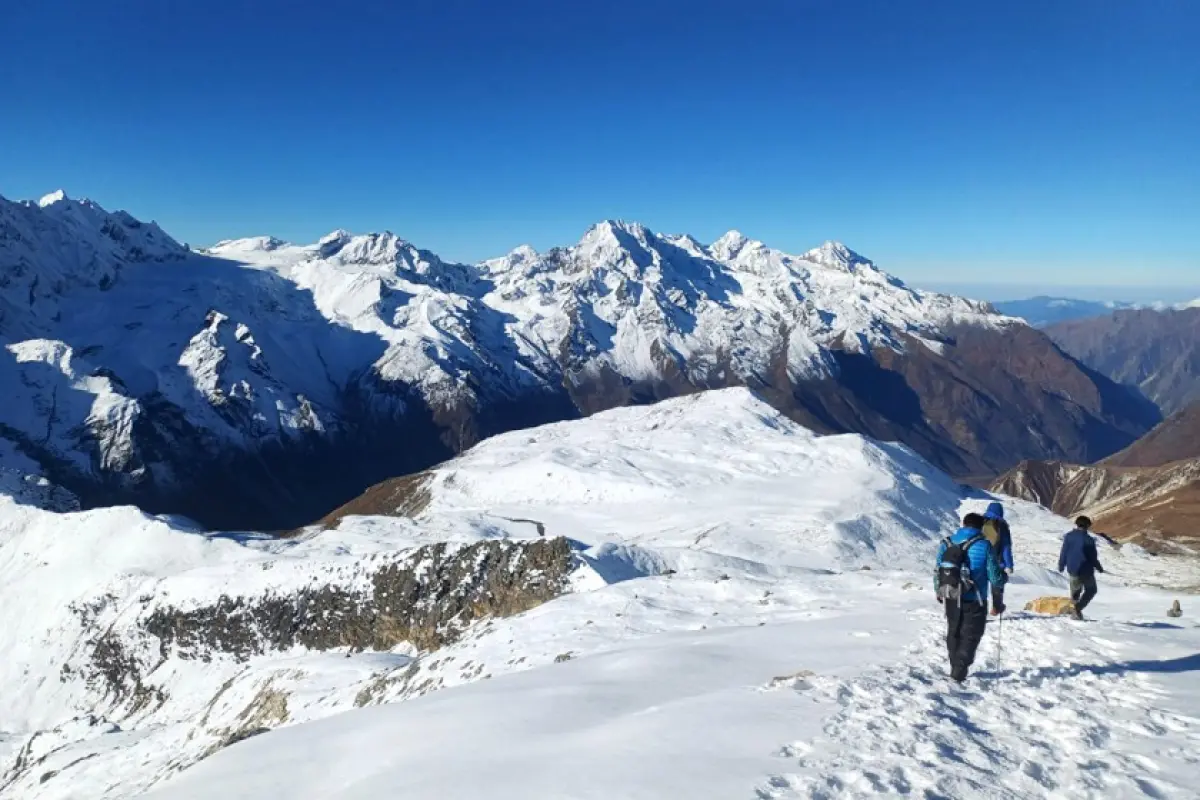
Today’s journey begins before dawn. After waking up, you start the day with a warm breakfast to kick off the summit day. With your climbing guide leading, you'll make the steady climb over snow and rock to the top of Yala Peak (5,500m).

Reaching the summit rewards you with breathtaking views. Take in clear views of Shishapangma, Langtang Lirung, and Dorje Lakpa before descending to Base Camp and continuing on to Kyanjin Gompa.

Max Altitude: 5,500m (18,044ft)
Meals: B,L,D
Duration: 7-8 hours
Accommodation: Mountain Lodge
Day 9

Trek from Kyanjin Gompa to Lama Hotel

Leaving Kyanjin Gompa behind, your descent retraces the familiar route through alpine meadow and forest, past familiar Tamang villages. Going down gives you a fresh perspective on the landscape as you head toward Lama Hotel at a much quicker pace.

Max Altitude: 2,470m (8,103ft)
Meals: B,L,D
Duration: 6-hour
Accommodation: Mountain Lodge
Day 10

Trek from Lama Hotel to Syabrubeshi via Sherpagaon

On your final trekking day, you will retrace your steps along the high trail via Sherpagaon, ensuring you bypass any damaged lower riverside sections safely. The route takes you through the beautiful ridge-line forests of oak and rhododendron, offering a final look at the high snow peaks before descending to the village of Khangjim.

From Khangjim, a final downhill walk brings you back to Syabrubeshi.

Max Altitude: 1,460m (4,790ft)
Meals: B,L,D
Duration: 6-7 hours
Accommodation: Mountain Lodge
Day 11

Drive from Syabrubeshi to Kathmandu via Private 4WD

Today, you board your four-wheel-drive vehicle for the drive back to Kathmandu. The drive back retraces the scenic route along the Trishuli River, navigating any local detours smoothly. Once you're back in Kathmandu, you'll check into your hotel.

The 11-day journey ends with a farewell dinner hosted by Trekking Plus to celebrate a successful Yala Peak expedition.

Max Altitude: 1,400m (4,593ft)
Meals: Breakfast, Farewell Dinner
Duration: 7-8 hours
Accommodation: Hotel (Excluded)
Mode of Transportation: Private 4WD
Are you still confuse from where to start? Trekking Plus has solutions for this.

Cost Details

Includes

  • Airport pickup and drop-off services by a private vehicle.
  • Deluxe hotel accommodation with breakfast in Kathmandu as per the itinerary.
  • Standard teahouse accommodation on a twin-sharing basis during the trek.
  • High-quality dome tents, foam mattresses, kitchen tents, and climbing gear at Yala Peak Base Camp.
  • Three meals a day (Breakfast, Lunch, and Dinner), along with tea or coffee during the trek and climb.
  • An experienced, government-licensed climbing guide and professional porters (1 porter for every 2 trekkers).
  • Guide and porter salaries, insurance, meals, lodging, and personal equipment.
  • All necessary permits, including the Langtang National Park entry permit, TIMS card, and Yala Peak climbing permit.
  • Private 4WD jeep transportation between Kathmandu and Syabrubeshi to ensure safety on the Rasuwa roads.
  • High-altitude first-aid kit with an oximeter to monitor oxygen levels and pulse rate.
  • Welcome and farewell dinners in quality restaurants in Kathmandu.
  • All official paperwork, local fees, government taxes, and VAT.

Excludes

  • International flight tickets and airport taxes.
  • Nepalese tourist visa fees.
  • Personal climbing equipment (such as climbing harness, helmet, boots, crampons, and ice axe, which can also be rented in Kyanjin Gompa).
  • Travel and medical insurance (compulsory; must cover high-altitude mountaineering and helicopter evacuation).
  • Lunches and dinners in Kathmandu (except for the welcome and farewell dinners).
  • Personal expenses on the trail, such as laundry, hot showers, Wi-Fi, device charging, and bottled or boiled beverages.
  • Tips for the guide, climbing guide, and porters.

Equipment List for Yala Peak Climbing- 11 Days

What to Pack for the 11-Day Yala Peak Climb?

Preparing for Yala Peak requires gear that can handle warm valleys as well as freezing alpine conditions at Base Camp and the summit.

Here is our recommended packing list:

Head and Face Protection

  • Warm wool or fleece hat
  • Sun hat or cap
  • UV-protection sunglasses (essential to prevent snow blindness)
  • High-SPF sunscreen and lip balm
  • Lightweight neck gaiter or buff

Body Clothing

  • Moisture-wicking base layers (2-3 pairs)
  • Fleece jacket or warm sweater
  • Waterproof and windproof outer jacket
  • Warm down jacket (suitable for freezing temperatures at summit and camp)
  • Lightweight trekking shirts (3 pairs)
  • Trekking pants (2 pairs)
  • Thermal underwear for cold nights

Lower Body and Footwear

  • Sturdy, waterproof trekking boots (well broken-in)
  • Double mountaineering boots (suitable for crampons; can be rented in Kyanjin Gompa)
  • Sandals or light shoes for use inside teahouses
  • Thick wool hiking socks (4 pairs)
  • Gaiters (to keep snow and debris out of boots)

Hand Protection

  • Lightweight inner gloves
  • Waterproof and windproof outer mountaineering gloves or mittens

Climbing and Safety Gear

  • Climbing harness and carabiners
  • Crampons and ice axe (can be rented locally in Kyanjin Gompa to save carrying weight)
  • Climbing helmet
  • Daypack (30-35 liters) for daily essentials
  • Duffel bag (provided by Trekking Plus) for your main luggage
  • Four-season sleeping bag (rated to -15°C or colder)
  • Adjustable trekking poles
  • Headlamp with extra lithium batteries (keep batteries warm inside your sleeping bag at night to prevent them from draining in sub-zero temperatures)
  • Reusable water bottles or insulated flasks
  • Personal toiletries and biodegradable wet wipes
  • Personal medical kit
  • Nepalese Rupees in cash for trail snacks, hot showers, and tipping

Essential Information

When is the Best Time for the Yala Peak Climbing in 2027/2028?

The best time for the Yala Peak Climbing expedition depends on your preferences. However, remember that timing your climb right matters both for safety and for visibility.

Autumn(September to November) is considered the most favorable season for many. At this time of the year, the monsoon clears out, trails are dry, and the crisp air makes way for clear visibility. Days stay pleasant for trekking, though nights at Base Camp drop well below freezing.

Spring (March to May) is another good time for this expedition. Expect stable, warm weather as the lower Langtang Valley exhibits vibrant hues of red and pink as the rhododendrons and wildflowers bloom. While some leftover winter snow can linger on the higher ridges, climbing conditions generally stay favorable.

How Difficult is the Nepal Yala Peak Climb?

The Yala Peak climb is graded as "fairly strenuous" due to the altitude, but it is considered a non-technical peak. Unlike Island Peak or Lobuche, there's no vertical rope work or technical ice climbing involved here.

The real challenge is adjusting to thin air at 5,500 meters and handling the newly updated high-elevation trail. Acclimatization matters more than anything else on this climb, so it's worth spending extra time practicing with crampons at Base Camp before the summit attempt, and staying ahead on water throughout.

Who can go on the Yala Peak Climbing in Nepal?

This expedition is designed for adventure enthusiasts who want to take their first steps into Himalayan mountaineering. It is highly suitable for:

  • Fit trekkers looking to experience their first 5,000-plus-meter summit without technical difficulty.
  • Outdoor enthusiasts with good cardiovascular fitness and physical stamina.
  • Trekkers who want to explore a quieter, culturally rich region using safe and updated alternative routes.
  • Climbers seeking a shorter, cost-effective high-altitude expedition.