Highlights
- Scenic mountain flight from Kathmandu / Manthali to Lukla and back
- Spend nights in lovely Sherpa villages
- Come across numerous Himalayan vegetation Buddhist prayer stone with matra written while trekking
- Go on a hike to the Hotel Everest View during acclimatization day in Namche Bazaar
- Explore river valleys, glaciers, narrow trails, and lush forests
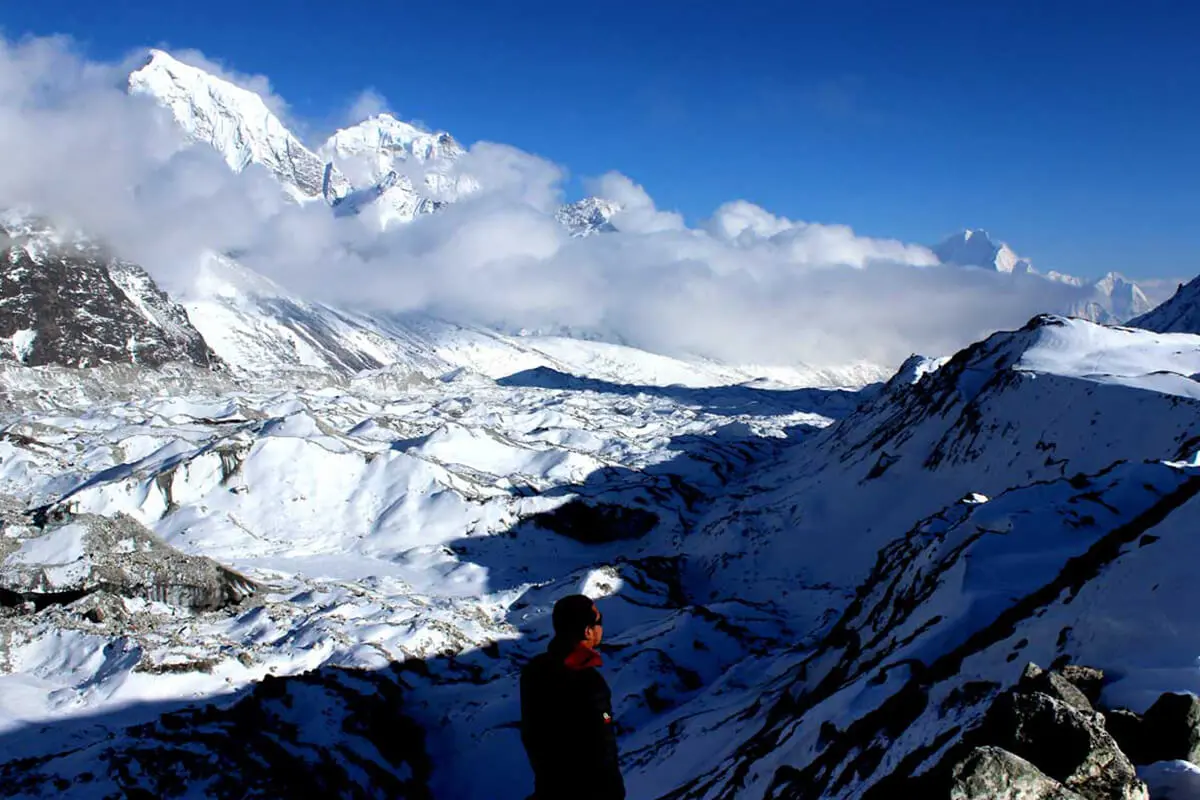
- Get to see the largest glacier in Nepal, Ngozumpa Glacier which is the largest in the Nepal Himalayas
- Explore ancient monasteries, get to see the daily lifestyle of the locals, and walk past numerous stupas, chorten & prayer wheels along the way
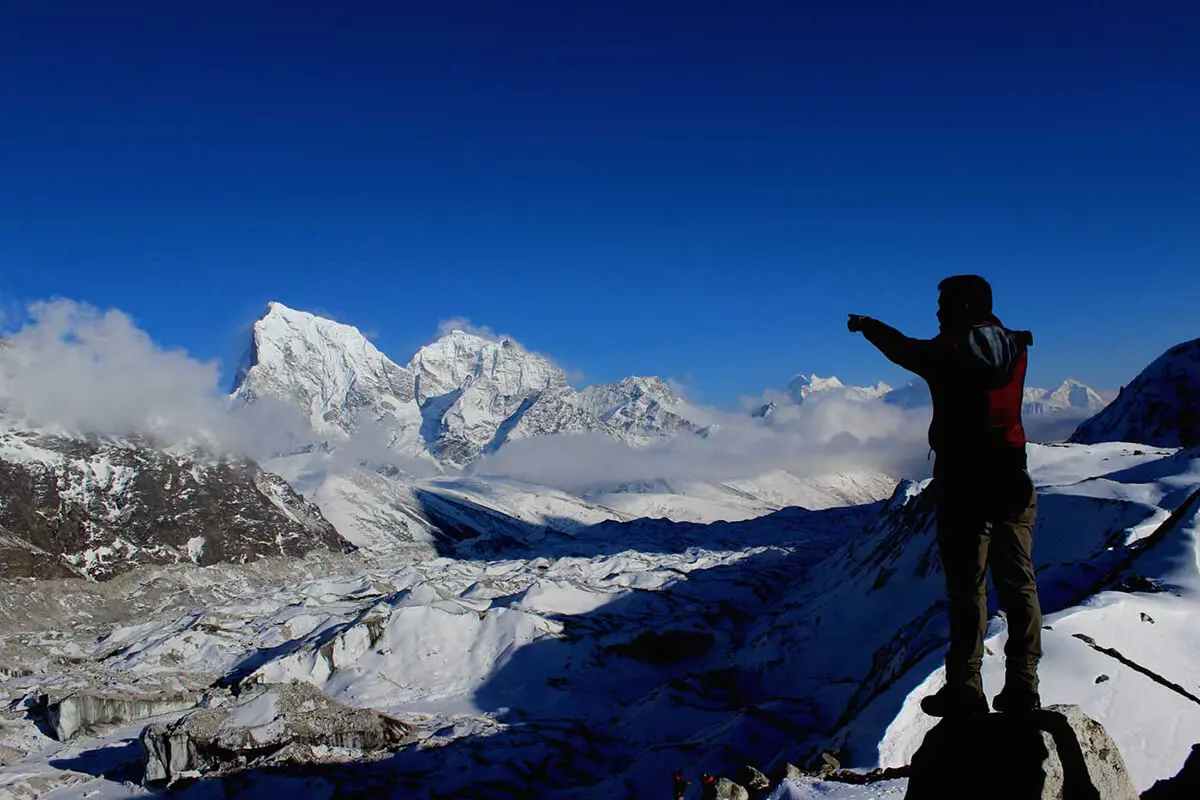
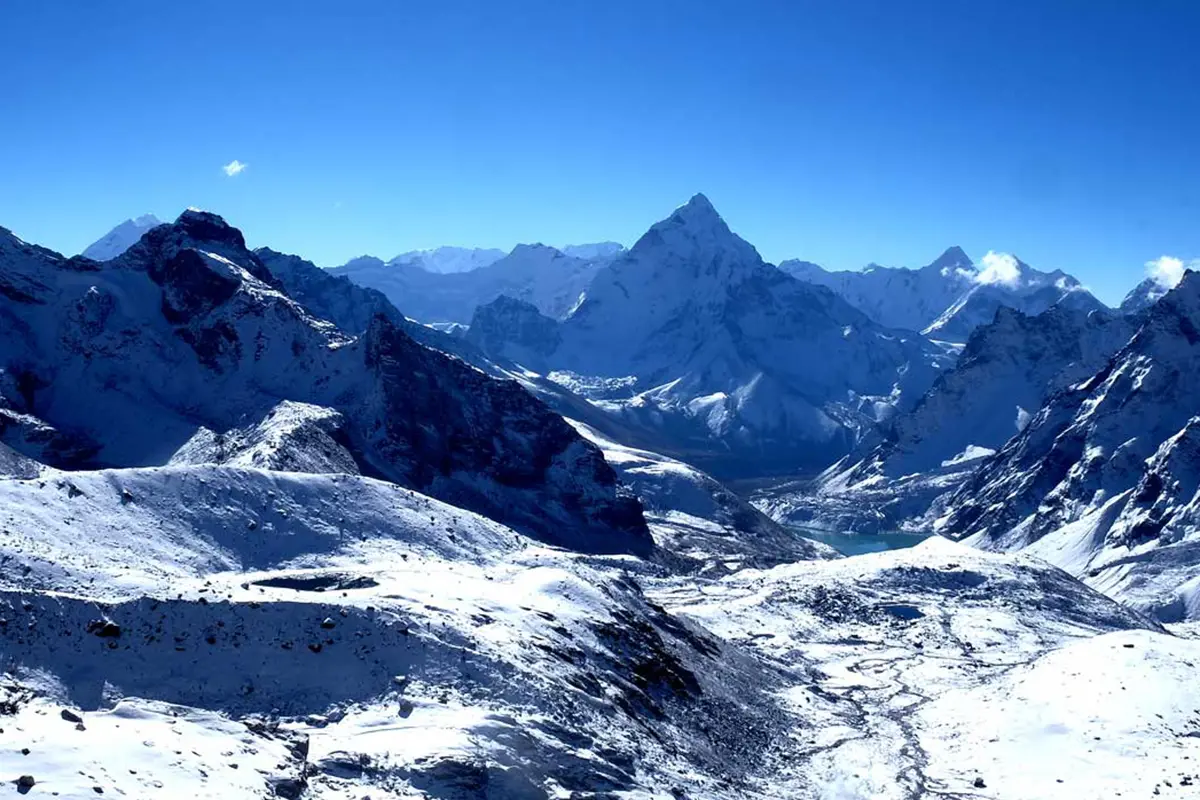
- Hike to Gokyo Ri to witness a stunning view including Mt. Everest, Lhotse, Makalu, Cho Oyu and beautiful Gokyo Lake
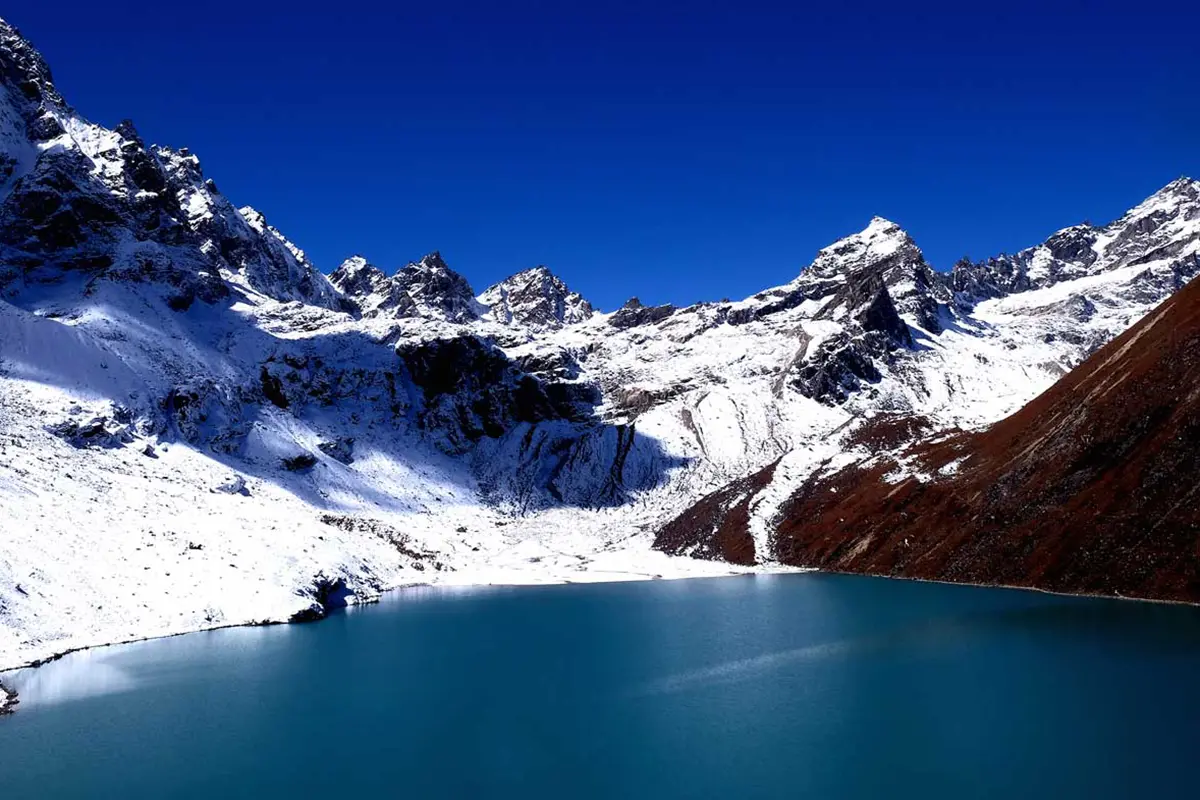
- Trekking to one of the finest lakes in the world, Gokyo Lakes, historical and Sherpa Cultural in Khumbu region.
- Explore the Sherpa and Hillary Museum in Namche Bazaar and Syangboche View Point
Gokyo Valley trek is the must see place for anyone looking for adventure is something you would not like to miss. It is a popular trek in the Everest region of Nepal. It features stunning views of mountains, glaciers, and lakes. Gokyo Valley in Everest region which is the home of the highest several Himalayas well as mountain lakes. There are total 19 Gokyo Lakes in the Gokyo valley and all of them are freshwater system. The Gokyo Ri is the highest hill of 5357 meters that have the proud height to look straight at Mt. Everest (8848m) to several eight-thousanders like Lhotse (8414m), and Cho Oyu (8188m). The Gokyo valley Trek is a trekking through delightful valleys in mountain, crystal clear blue and green lakes, world’s biggest ice glacier called ngozumpa glacier dominated by nearest mountains of Everest Himalaya range.
Gokyo Valley Trek is labeled moderate in difficulty, so anyone with fairly good health can attempt it. Gokyo Valley is a living museum dotted with small villages and settlements still not touched by modernity and intact with an unspoiled environment. The friendly Sherpa local add the charm to the place with their simple rural lifestyles. It is also the base of the highest freshwater lake system (4700-5000 m) in the world, comprising of 19 both big and small lakes. Among them, six hold significant importance because of their size and depth.
Gokyo village (4700 m), a quaint village situated by the bank of third Gokyo Lake. This place has several stone houses, mainly small hotels catering to tourists and trekkers. Apart from the beauty of Gokyo Valley itself, the trek features traversing through several Sherpa settlements and Buddhist monasteries while enjoying the continuous vista of the Khumbu Himalayas. The trek, following the trails of Dudh Koshi River throughout, takes the trekkers from the green forested paths of Khumbu to the stony terrains to the moraines of Ngozumpa Glacier, the largest glacier in Nepal. These mountains, ridges and glaciers are supernatural as are your experiences with the Sherpa individuals, the well-known mountain inhabitants of this Himalayan wonderland.
The Gokyo lake trek starts with the super scenic flight from Kathmandu or Manthali airport to Lukla (2,840m) and extends towards the impressive Himalayas of Everest region. Phakding (2,652m) would be our first day destination which becomes Namche (3,440m) for the next day. Namche is the most dramatic and developed Himalayan town of Nepal. We stop at Phorse and Machhermo village before we reach to the prime destination Gokyo valley. We appreciate the great view of lakes, glaciers and mountains from Gokyo Ri. Gokyo lake trek is design by concerning those seeking to meet the tallest mountains, biggest glaciers, lakes, remote peoples and lifestyle. If you want so, don’t think anymore, you are always welcome in this country of Himalayas. Gokyo Ri (5330m/17487 feet) is considered as the best viewpoint in the Everest Region. The incredible sceneries including magnificent views of Everest (8848m), Makalu (8463m), Cho Oyo (8201m), Lhotse (8516m), Gyachung Kang (7922m) and other mountains. Set among breath-taking high mountain surroundings, the route leads through the Khumbu the motherland of Sherpa.
Important Note: During the peak season, flights from Kathmandu to Lukla will be operated from Manthali Airport, Ramechhap, to Lukla. In the spring, from mid-March to mid-May and late September to November in autumn, all flights take off and land at Manthali Airport.
The Manthali airport, Ramechhap, is 142 km from Kathmandu, about 4-5 hours drive. To catch a flight to Lukla from Ramechhap, you must depart from Kathmandu from 1-2 a.m or you can schedule one day before the flight departure. We highly recommend that you come with at least one more extra day for jet lag, especially considering the early morning drive to Manthali Airport, which benefits from adequate rest and sleep beforehand.
Gokyo Valley Trek –Is This Trek Right for You?
Before beginning the Gokyo Valley Trek, it is important to consider both your physical and mental fitness. For those who have never trekked at high altitude, it would be better to start early preparations, like cycling, running, or morning walks, for a few months or weeks. If you already have experience in hiking or climbing, you will find the trek through Gokyo Valley and up to Gokyo Ri more manageable.
This route encompasses several ascents and descents, farmlands with stair-like shapes, and Sherpa villages. You must be in relatively good shape; you will walk for approximately 5–6 hours daily. Equally important is psychological preparedness because the weather and conditions of the paths in the Himalayas are unpredictable.
It is highly recommended that, while planning your trip with us, you consult your doctor about your respiratory health before departure and send us a copy of the medical report. While trekking in the Himalayas can be demanding, the Gokyo Valley Trek is generally accessible to anyone who has experience walking with a backpack and takes the time to train before embarking on their adventure. For those with no serious medical conditions and for those who prepare well, this trek can be quite rewarding and can become one of the best experiences of your life. Although generally younger trekkers require less preparation, age isn't a barrier: many active, fit 70-year-olds successfully complete Himalayan treks. More important than age is your stamina, training, and confidence.