Everest Panorama Trek - 8 Days

Everest View Trek - 7 Days

48 Reviews in TripAdvisor
52 Reviews in Google

One of the best short and rewarding treks in the Everest region is the short Everest View Trek, also known as the Everest Panorama Trek. Although it is short, this trek offers full enjoyment and adventure. Not only will you witness stunning views of the Himalayas and nature, but you will also have the chance to interact with locals and experience their culture. Along the way, you will see many monasteries, mani walls, and prayer wheels. Trekking Plus provides all the information you need to enjoy this 8-day trek through this beautiful and mystical region at the foot of the world’s highest peak, Mount Everest.

Trip Facts
Duration: 7 Days
Trip Grade: Moderate
Country: Nepal
Maximum Altitude: 3860m /12,660ft.
Starts: Kathmamdu
Ends: Kathmandu
Group Size: 1-12
Activities: Trekking
Best Time: March to May and Mid-Sep to Mid-Dec

Highlights of Everest View Trek

  • Engage in meaningful interaction with the Sherpa community.
  • Explore the heart of the Sherpa homeland, with alpine forests, Buddhist monasteries, and an authentic mountain lifestyle.
  • Follow in the footsteps of Hillary and Tenzing on the trek to Everest Base Camp.
  • Enjoy magnificent views of Mount Everest and the surrounding Himalayas.
  • Stay in comfortable local tea houses and immerse yourself in traditional Sherpa culture.
  • Pass through Sherpa valleys and discover the richness of Tibetan Buddhist heritage.
  • Witness alpine flora and fauna, and explore ancient monasteries and stupas along the route.
  • Experience the picturesque beauty of the Himalayas and valleys.
  • Visit the famous Tengboche Monastery and learn about its spiritual significance.
  • Trek to Khumjung Village and its monastery, known for the legendary Yeti scalp.
  • Capture breathtaking views of Everest from multiple vantage points.
  • Explore some of the most enchanting and exquisite landscapes in the world.

Everest View Trek could be a perfect alternate choice in the khumbu region where you will avoid altitude sickness and the best view of Everest with an exceptional view of other tallest himalayan vistas in the world. This short trek in Everest, takes you up high along trails to Tengboche Monastery (3850 m). This is easy short and easy trek but very scenic trek that offers a really superb view of the world’s highest peaks, including Everest, Lhotse, Thamserku, Ama Dablam and many other snowy peaks. We fly from Kathmandu to Lukla airstrip in the Khumbu region and trek up to Namche Bazar, Tyangboche (famous for its monastery), and into the Khumjung village, a very nice settlement of Sherpas people. This trek is a great introduction to Sherpa country and its culture with great mountain views, a very popular destination for first-time trekkers in Nepal. This trek is best suited for those who do not have enough time for longer treks into the high mountains.

Everest View Trekking is perfect for those who are unwilling to go to high altitudes and all the way to Everest Base Camp. Also this trek could be good for family as well as for beginners who have not done high-altitude treks. We can see the best view of the amazing Khumbu region and the Himalayan range, including the magnificent Mt. Everest. The journey will take you up to Namche Bazaar the hub of the Sherpa people of Nepal. Everest Panorama Trek starts with the marvelous flight to Lukla. The trails along the Dudhkoshi River pass by the places like Phakding, Monjo and finally reach the Namche Bazaar. Furthermore, the hiking of the Everest View Hotel and Khumjung Village. Then we will return back to Namche Bazaar from Kyangjuma will showcase the swashbuckling view of the surrounding hills and mountains. You will cross various suspension bridges and trek diverse terrains, all while enjoying breathtaking views of the Himalayas and natural landscapes. The trail leads to Namche Bazaar, the trading hub of the Khumbu region.

From Namche, the trek gradually ascends to Khumjung Village, one of the highest inhabited villages in the world. Khumjung Monastery houses the half-football-shaped scalp said to belong to the Yeti. For a small fee, visitors can view this unique relic. The trail continues along rocky paths to Tengboche, where you will catch partial views of Everest, Nuptse, and Lhotse. Tengboche welcomes thousands of tourists daily and offers both spiritual and recreational experiences. The Tengboche Monastery, built in 1923, is the largest monastery in the Khumbu region.

After Tengboche, the trek descends to Monjo, a charming village just north of Phakding. Monjo is an alternative stopping point to Phakding. The village reflects both ancient and modern Khumbu culture, with lodges and guesthouses showcasing the region’s heritage. Finally, you will trek downhill to Lukla. Completing the Everest Panorama Trek will leave you with positive energy, confidence, and unforgettable memories. This trek is full of adventure, cultural experiences, and natural beauty, making it an unforgettable journey.

Extend Everest View Trek to Everest Base Camp

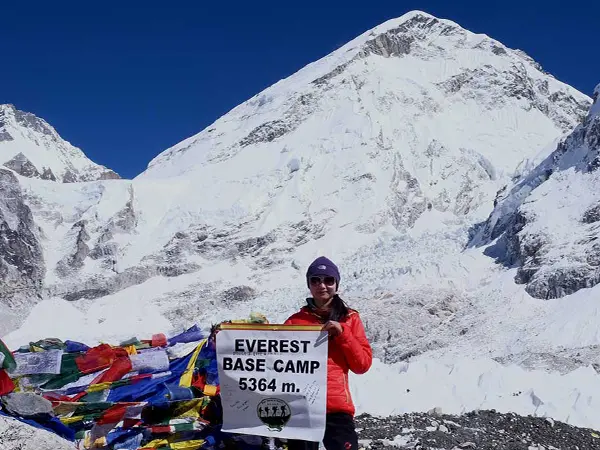
This trek can be completed in seven days from Kathmandu to Kathmandu. To reach the famous Everest Base Camp, you will need an additional five days. The main attraction of this adventure is, of course, Mount Everest Base Camp. There is no need to worry about special physical requirements, as the views become truly breathtaking the closer you get to the mountains. Here is the detailed itinerary of the Everest Base Camp Trek.

What to Expect During the Everest View Trek

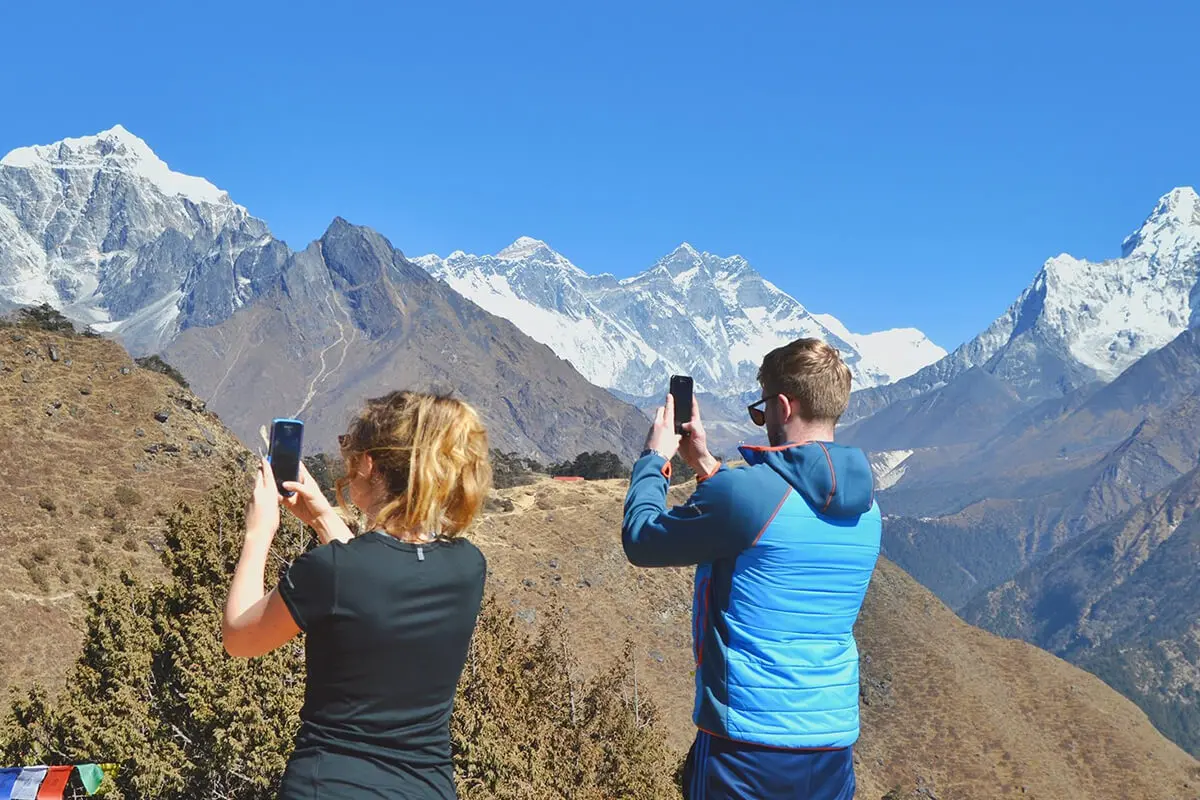
Mount Everest, the highest mountain on Earth, is a dream destination for adventurers from around the world. While summiting the 8,848-meter peak may not be possible for most due to its challenging terrain, remoteness, and expense, the Everest Panorama Trek allows anyone with good physical fitness to see the snow-covered giant up close.

This relatively easy trekking trail combines breathtaking mountain views with cultural experiences, including suspension bridges, tumbling rivers, and wildlife. Trekkers pass through traditional Sherpa villages and dense forests, staying in tea houses, lodges, or guesthouses along well-established routes. Each day involves approximately five to seven hours of walking in the lower Everest region, offering an enjoyable and accessible Himalayan adventure.

Is it possible to do Everest View Trek in Winter Season? 

The Everest View Trek can be done during winter season too. It is great if you want to experience the beauty of the Everest region without crowds. Winter in Nepal lasts from December to February. While often considered an off season for trekking in the high Himalayas. Everest View Trek is not only within reach but also a rewarding experience. Unlike the above, the trails are somewhat less crowded, so you get a nice view of Mount Everest and snow-capped peaks whilst hiking peacefully. The beautiful mountain landscape is one of the greatest parts of winter trekking. The surrounding peaks come under fresh snowfall, rendering a mystical Himalayan terrain. On a clear day, the views can be stunningly beautiful, and the crisp mountain air also helps. It continues to be Spring (March to May) and Autumn (September to November) due to mild temperatures and stable weather. Still, winter provides charm in ways not found in every other season, where many people would head out for a little less crowded and possibly a more legit trekking adventure. With proper warm clothing and proper travel gear, the Everest View Trek can be experienced year-round not only in winter. If you dream of seeing Everest surrounded by sparkling snow and enjoying peaceful mountain trails, then perhaps winter will be just such a suitable time to go.

Spectacular Mountain Views and Sherpa Culture

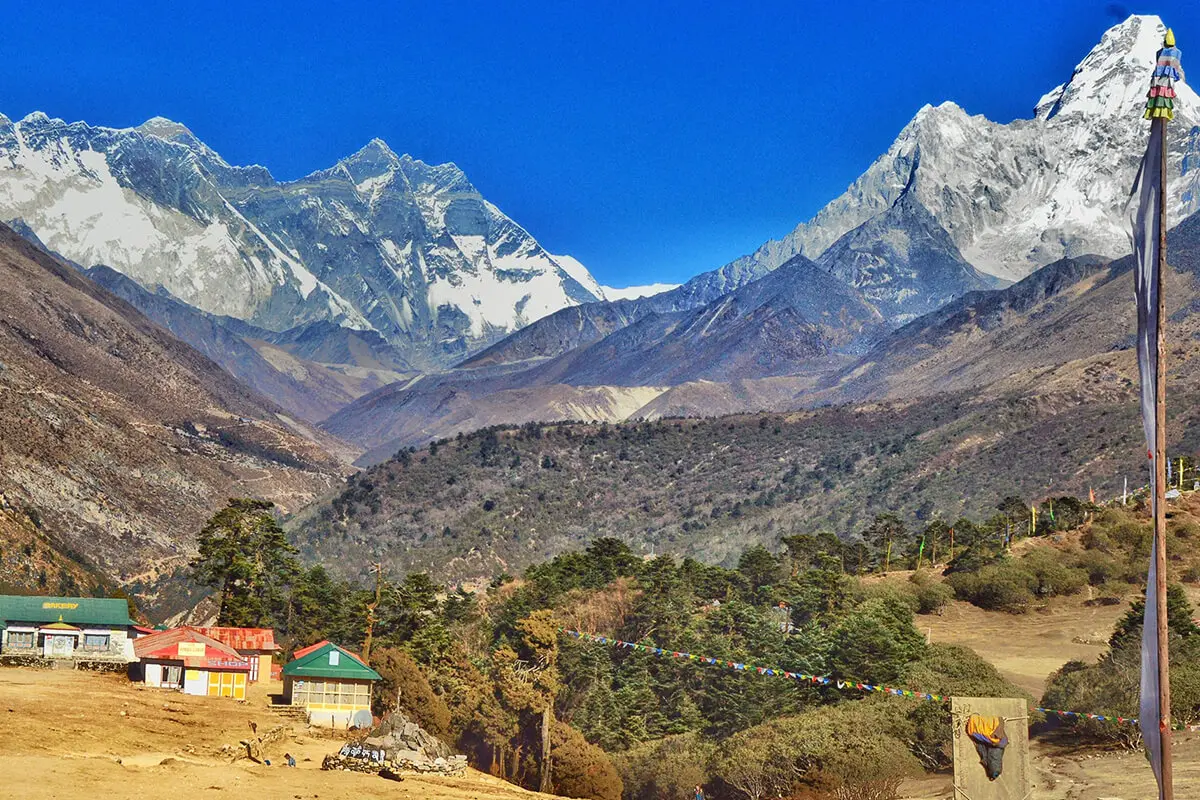
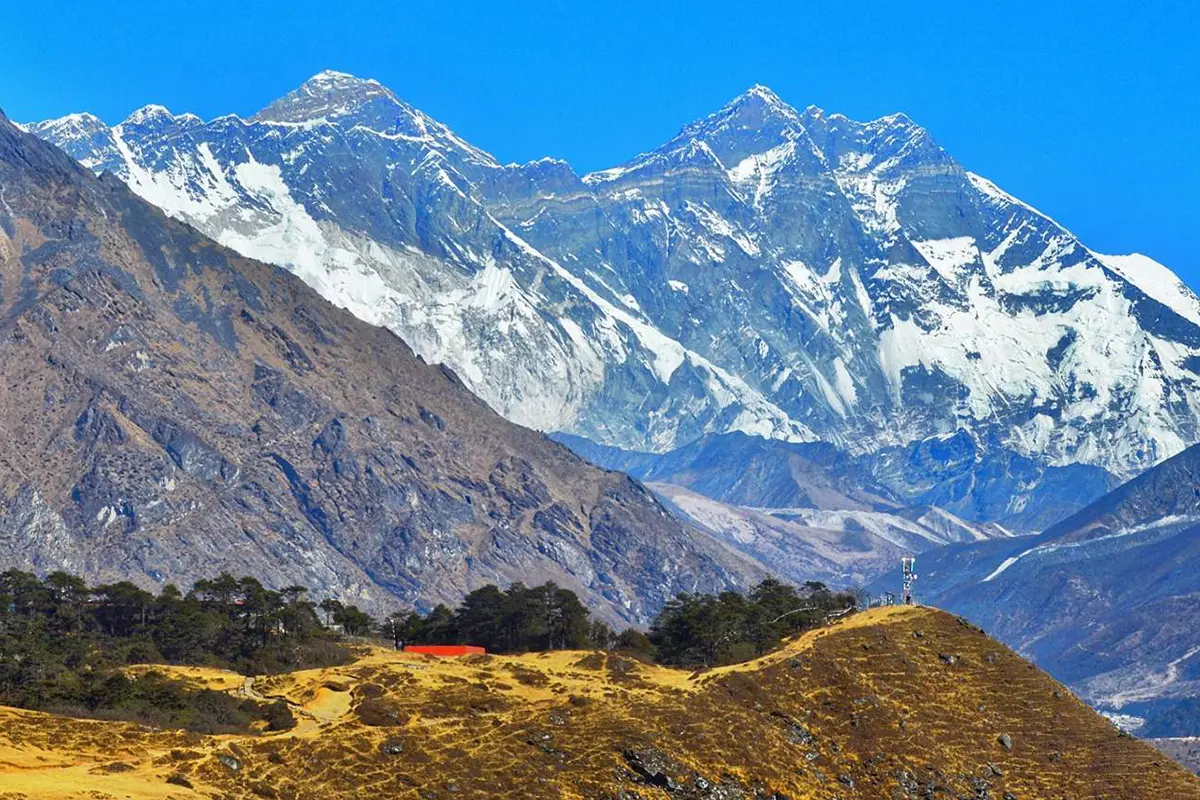
From the starting point in Lukla, trekkers enjoy panoramic views of snow-clad peaks. Kongde Ri dominates the skyline to the west, Numbur Himal lies to the southeast, Kusum Kanguru to the northeast, and the Pikey Peaks are visible to the south. As you ascend, views of Everest, Lhotse, Ama Dablam, Thamserku, and other majestic mountains become even clearer.

Key viewpoints along the trail include Namche Bazaar, Everest View Hotel, Khumjung Valley, and Tengboche Monastery. Namche Bazaar is considered the Sherpa capital, Khumjung Valley is home to a monastery believed to hold a Yeti skull, and Tengboche Monastery is the largest Buddhist shrine in the Everest region. These sites offer unforgettable mountain vistas without requiring trekkers to go all the way to Everest Base Camp or attempt a summit.

The trek passes through Sherpa villages such as Namche Bazaar, Khumjung, and Phakding. Sherpas are renowned for their high-altitude resilience, rich cultural traditions, and friendly, helpful nature. Their communities and way of life provide an invaluable cultural dimension to the Everest Panorama Trek.

A Beginner-Friendly Trek in the Everest- Khumbu Reigon

Unlike more challenging routes such as the Everest Base Camp Trek, Gokyo Cho La Pass, or Everest High Pass Trek, the Everest View Trekking does not exceed 3,860 meters above sea level. This makes it accessible to trekkers of all ages and fitness levels.

The relatively low altitude reduces the risk of altitude sickness, and the trek’s moderate ascents and descents make it suitable for novices, families, or travelers with limited time. Typically completed in seven to eleven days, the Everest View Trek covers the highlights of the Everest region without the physical and mental demands of reaching Everest Base Camp or climbing Everest itself. With manageable terrain and a lower risk of acute mountain sickness, the Everest View Treks is one of the best short trekking in Nepal, offering an unforgettable Himalayan experience for beginners, families, and those seeking a less demanding yet rewarding adventure.
Itinerary Overview and Route Map

Day 1:Morning flight from Kathmandu to Lukla (2840m./ 9316ft.) or flight via Manthali
Day 2:Trek to Namche bazaar (3440m./ 11283ft.)
Day 3:Trek to Khumjung (3780m./ 12401ft.)
Day 4:Trek to Tengboche (3860m /12’660ft.)
Day 5:Trek back from Tengboche to Monjo (2835m./9301ft.)
Day 6:Trek back to Lukla (2840m./ 9316ft.)
Day 7:Fly Back to Kathmandu (1400m.|4593ft.) 35 minutes flight or Via Manthali

Everest View Trek - 7 Days Detailed Itinerary

Day 1

Morning flight from Kathmandu to Lukla (2840m./ 9316ft.) or flight via Manthali

After breakfast at the hotel, we will travel to the airport at the domestic terminal. From Kathmandu, a 35-minute short scenic flight over Himalayan ranges of eastern Nepal to Lukla. Meet our Trekking Plus crew members and support team at Lukla airport. We will start our journey toward the Phakding settlement from Lukla, trekking downhill to the Thado Koshi River across the suspension bridge, enjoying a close-up view of Mount Kusum Kanguru. We will arrive in Phakding, walking a short distance and passing through the little settlement of Ghat.

Max Altitude: 2,840m (9,317ft)
Meals: B, L,D
Duration: 3-4 hrs
Distance: 8 KM
Accommodation: Mountain Lodge
Day 2

Trek to Namche bazaar (3440m./ 11283ft.)

After breakfast we start our day to Namache Bazaar. At 3440 meters above sea level, Namche Bazaar serves as the settlement with the facilities of an Atm, internet cafe, and shopping area. After breakfast, we will proceed to Namche Bazaar, the Everest Panorama Trek's primary destination. We will walk along the trekking trail of Everest Base Camp for 5 - 6 hours from Phakding to Namche Bazaar, a Sherpa settlement well-known as a stopover spot for altitude acclimation. Walk through a beautiful Pine forest, riversides of Dudh Koshi River and suspension bridges. Trail ascends to confluence of Dudh Koshi and Bhote Koshi rivers, further to Jorsale village and eventually to Namche Bazaar. We will view the first up-close sight of the majestic Mt. Everest in clean and clear weather. After several hours of walking and a trip across the Hillary Suspension Bridge, we will eventually reach Namche Bazaar.

Max Altitude: 3,440m (11,286ft)
Meals: B,L,D
Duration: 5-6 hrs
Distance: 10.5 KM
Accommodation: Mountain Lodge
Day 3

Trek to Khumjung (3780m./ 12401ft.)

After breakfast, we’ll head to Khumjung Village, a large Sherpa settlement known for preserving its traditional lifestyle. This famous village is the birthplace of legendary Sherpas and Lamas. We will also have an option, start an early hike (if you wish, even before breakfast) to the Everest View Hotel, which offers stunning views of Ama Dablam, Nuptse, Lhotse, Everest, and other majestic peaks. As the highest hotel in the world, Everest View Hotel is a popular resting spot for trekkers during acclimatization walks. After a short breakfast at the hotel, we’ll descend back to Khumjung Village. After lunch, we’ll visit the old Yeti’s scalp and a large sculpture of Guru Rinpoche at Khumjung Monastery. Other highlights include Khumjung School, founded by Sir Edmund Hillary, and the Sherpa Culture Museum, built in traditional Sherpa architectural style.

Max Altitude: 3,780m (12,401ft)
Meals: B,L,D
Duration: 5 hrs
Distance: 4-5 KM
Accommodation: Mountain Lodge
Day 4

Trek to Tengboche (3860m /12’660ft.)

We start our day after earlly breakfast at hotel in Khumjung village. We will descend along the trail until we reach the Dudh Koshi River, where stunning views of the surrounding peaks, including Ama Dablam, Lhotse, and Everest, await. Along the way, we will pass through vibrant rhododendron forests and cross a suspension bridge over the sparkling white waters of the river. A short but steep climb will take us to the town of Tengboche, famous for hosting the highest monastery in the world. Tengboche Monastery, the largest in Nepal's Khumbu region, sits majestically against the dramatic backdrop of Ama Dablam. Visiting the monastery will allow us to experience its spiritual beauty and immerse ourselves in the local Sherpa culture.
 

Max Altitude: 3,860m (12,664ft)
Meals: B,L,D
Duration: 5-6 hrs
Distance: 9 KM
Accommodation: Mountain Lodge
Day 5

Trek back from Tengboche to Monjo (2835m./9301ft.)

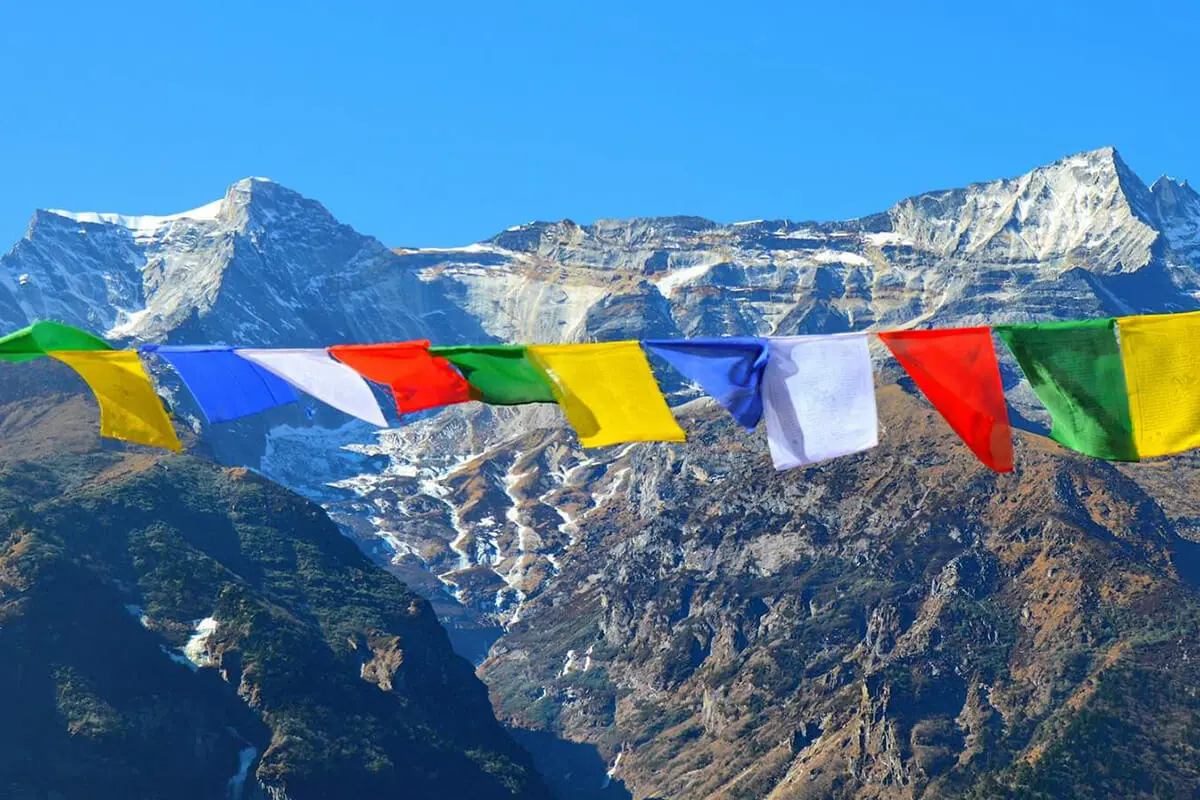
Wake up early to enjoy views of towering Mount Everest and other high peaks. After breakfast, we trek back to Monjo, a small settlement at 2,835 meters (9,301 ft) above sea level. From there, we continue to Jorsale by descending toward the Dudh Koshi River. Along the way, we may spot Himalayan wildlife such as pheasants, mountain goats, and red pandas. We will pass several monasteries, mani walls, and prayer flags on the path to Monjo. Crossing a few bridges over streams, we finally reach Monjo.

Max Altitude: 2,835m (9,301ft)
Meals: B,L,D
Duration: 6-7 hrs
Distance: 16 KM
Accommodation: Mountain Lodge
Day 6

Trek back to Lukla (2840m./ 9316ft.)

Today, we will trek back to Lukla. It’ll be an easy downhill walk through forests and terraces. The imposing mountains still seems smiling to us. We'll go over the suspension bridge and go to Ghat before starting the hike into Phakding. To get to the Pasang Lhamu Memorial gate, we will proceed through lush oak and juniper woodlands, gently dropping and climbing. We will reach the scenic village of Lukla after a few hours of hiking. Our Everest Panorama Trek comes to an end today. Lukla is a prosperous mountain village with little modern facilities. Roam around and stay overnight.

Max Altitude: 2,840m (9,317ft)
Meals: B,L, D
Duration: 6 hrs
Distance: 13 KM
Accommodation: Mountain Lodge
Day 7

Fly Back to Kathmandu (1400m.|4593ft.) 35 minutes flight or Via Manthali

After breakfast in Lukla, we will take an early-morning flight back to Kathmandu Valley. During peak season, all flights from Lukla to Kathmandu may be redirected via Ramechhap (Manthali) Airport. In the evening, you can enjoy a free and relaxing time exploring Thamel, or you may choose to join one of our optional trek or sightseeing tours.

Meals: B,D
Accommodation: Deluxe Hotel
Are you still confuse from where to start? Trekking Plus has solutions for this.

Cost Details

Includes

  • Airport transfer services (airport pick up and drop-off from TIA).
  • Accommodation in kathmandu on bed and breakfast basis
  • Flight tickets from Kathmandu or Manthali – Lukla, and Lukla to Kathmandu or Manthali 
  • All necessary paperwork , applicable National Park, TIMS or Local VDC fees.
  • An experienced English-speaking govt-registered trekking guide and local porters to carry luggage (2 trekkers: 1 porter;  no porter for solo trekker).
  • Guide and Porter's salary, food, equipment, and insurance, including on-trip cost
  • Full meals (Breakfast, Lunch, and Dinner) at your choice with Tea/Coffee 
  • Accommodation while on trek (Twin sharing room), attached room with bathroom or share toilet
  • Supplementary snacks (cookies and energy bar),  sleeping bag, and down jacket if needed (It’s refundable)
  • A comprehensive medical kit, trekking map, and water purifications drops. 
  • Farewell Dinner in a fine Restaurant
  • Official expenses and local government local taxes. 

Excludes

  • Lunch, Dinner, and extra night hotel in Kathmandu
  • Additional hot drinks and desserts (cakes, bakes and pies) while you are in mountains 
  • Personal expenses while on trek, such as snacks, hot and cold beverages, boiled water, electronic device recharging, hot showers, Wi-Fi, etc.
  • Travel and health Insurance covering emergency rescues and evacuations
  • Tipping to guides and porters 
  • All extra services if required (except mentioned in 'The Price Include' section). 

Equipment List for Everest View Trek - 7 Days

To make your Everest View Trek safe, comfortable, and enjoyable, make sure to get the right gear for trekking. Proper equipment helps you stay warm, dry, and protected in the changing mountain weather of the Everest region. Having the right gear not only enhances your trekking experience but also reduces the risk of discomfort, fatigue, and altitude-related challenges, allowing you to fully enjoy the stunning Himalayan scenery and Sherpa culture along the trail.

The following packing list is based on our years of experience leading treks in the Everest region, ensuring you are well-equipped for a successful and memorable adventure.

Expand AllCollapse All
Head
  • Sun hat or cap.
  • Lightweight scarf or buff.
  • Warm fleece hat or beanie.
  • Lightweight balaclava (optional).
  • Sunglasses with UV protection.
  • Headband or ear warmers.
Hands
  • Lightweight gloves.
  • Warm insulated gloves or mittens.
  • Hand warmers (optional).
Upper Body
  • Moisture-wicking T-shirts.
  • Long-sleeve trekking shirts.
  • Fleece jacket or pullover.
  • Insulated down jacket.
  • Waterproof and windproof shell jacket.
  • Thermal base layers. 
Lower Body
  • Undergarments.
  • Hiking shorts.
  • Lightweight trekking pants.
  • Thermal bottoms.
  • Fleece pants (optional).
  • Waterproof shell pants. 
Foot Wear
  • Thin inner socks.
  • Warm wool hiking socks.
  • Anckle-covered hiking boots.
  • Camp shoes (sandals or sneakers).
  • Gaiters (optional).
  • Microspikes (winter season only). 
Sun Stuffs
  • Sunscreen (SPF 30+).
  • Lip balm. Moisturizer.
Toiletries
  • Personal hygiene items.
  • Wet wipes and tissues.
Sleeping Bags

A sleeping bag is important for staying warm and comfortable during overnight stays in mountain lodges. Trekking Plus provide high-quality sleeping bags rated for temperatures between -20°C and 25°C, making them suitable for the conditions commonly encountered in the Everest region. These sleeping bags are lightweight, warm, and easy to carry. Please return the sleeping bag after the trek so it can be maintained for future use.

Bag Packs
  • Daypack (30–50 liters).
  • A trekking duffel bag for porter
  • Backpack rain cover.
  • Dry bags or zip-lock bags.
Medical / First Aid
  • Personal first aid kit.
Miscellaneous
  • Headlamp with spare batteries.
  • Trekking poles.
  • Water purification tablets.
  • Chargers and power bank.
  • Hand sanitizer.
  • Blister plasters.
  • Earplugs.
  • Optional Items such as camera, notebook and pen.
  • Energy bars and snacks.
  • Maps and guidebooks
Download Equipment Lists

Essential Information

Everest View Trek Difficulty

Everest View Trek is an easy to moderate trek for first-time trekkers, beginners, and families. The hardest part is the hike from Lukla to Namche Bazaar, which takes 5–6 hours and features a steady uphill climb. The trail is easier and more comfortable once in Namche Bazaar. The hiking trails are well-maintained, with stone steps, clear paths, and suspension bridges crossing rivers and valleys. Though the bridges appear a bit intimidating at first, they are safe and regularly used by trekkers and locals. The main challenge is altitude. Due to the elevation of the trek above 3,000 m, some trekkers may face mild symptoms including headaches or fatigue. Walking at a comfortable pace, staying hydrated, and following the advice of your guide will help you adjust properly. No technical climbing skills or special equipment are needed. You can just wear comfortable trekking boots, warm clothes, and basic trekking gear. The Everest View Trek is shorter, lower in altitude, a lot easier than the Everest Base Camp Trek, and more suited to most people with a reasonable level of fitness.

Best time for Everest View Trek in Nepal

The best time for Everest View Trek is during the spring (March to May) and autumn (late September to early December) seasons. These months offer clear blue skies, stable weather, comfortable temperatures, and breathtaking views of Mount Everest and other snow-capped Himalayan peaks.

Spring Season (March to May)
Spring is one of the most popular trekking seasons in Nepal, including for the Everest View Trek. The weather is generally mild and pleasant, making trekking enjoyable for all age groups. During this season, the trails come alive with colorful rhododendron forests and blooming alpine flowers, creating a beautiful natural landscape. Clear mountain views and vibrant scenery make spring an excellent time to experience the beauty of the Everest region.

Autumn Season (Late September to Early December)
Autumn is widely considered the best trekking season in the Everest region. After the monsoon rains, the atmosphere becomes fresh and crystal clear, offering outstanding visibility of Mount Everest and surrounding peaks. The weather is stable, with sunny days and comfortable trekking conditions. Autumn is also a festive season in the Khumbu region. One of the major highlights is the Mani Rimdu Festival, celebrated at the famous Tengboche Monastery. Trekking during this period allows visitors to witness colorful Buddhist ceremonies, traditional dances, and Sherpa cultural celebrations while enjoying spectacular views of Mount Everest. Combining the Everest View Trek with the Mani Rimdu Festival offers a truly unforgettable Himalayan experience.

What type of accommodation is available on Everest View Trek? 

During the Short Everest View Trek trekkers stay at conventional tea houses and local guesthouses which have a feel of classic Himalayan accommodation. The accommodation in these lodges is simple, but accessible; they offer comfortable twin-sharing rooms with rudimentary bedding such as clean mattresses, blankets, and pillows, perfect for getting some quiet after a day of trekking. Standard Everest View Trek package is made up of accommodation from a normal tea house with shared bathrooms. Most stops come with better rooms with attached bathrooms with more amenities, priced extra. Well-known villages like Lukla, Phakding and Namche Bazaar have a variety of accommodations to choose from, ranging from basic lodges to more comfortable guesthouses with modern services. Namche Bazaar (commonly known as the “mini Thamel of the Everest region”) provides some of the most excellent accommodation options available on the hike. For accommodation in Tengboche, with its remote location and high trekker attendance in peak season, these options are quite few. No room upgrade can be assured, however, in advance.

Everest View Trek - 7 Days FAQs

Who can come, and do the Everest View Trek?

Everest View Trek is appropriate for people of all ages with a reasonable level of fitness. One of the easiest treks in the Everest area, this trek would be ideal for beginners, families and travellers who would like to see Mount Everest without trekking to Everest Base Camp. The highest overnight stay is Hotel Everest View (3,880 m) where the risk of altitude sickness is generally low when following a proper itinerary.

Does the Everest View Trek suit beginners?

Yes Absolutely, Everest View trek is very good for beginners. The path is well-kept, daily walking time is moderate, and comfortable lodges are available along the course. No previous trekking experience is necessary for this short Everest View trekking.

Is there a risk of altitude sickness on the Everest View Trek?

The risk of altitude sickness is quite low compared with longer high-altitude treks in the Everest region. The trek makes it to a maximum elevation of 3,880 meters, and the gradual ascent helps trekkers adjust comfortably. Drinking plenty of water and walking at a steady pace helps minimize one’s risk.

Is Wi-Fi in use this Everest View Trek?

Yes, Wi-Fi is provided in most lodges, hotels, and teahouses along the trekking path. But your connectivity speed can be different depending on the location and weather conditions.

How long can I charge my cell phone and camera in the trek?

Yes, electricity is provided throughout the trek, and most lodges have charging points for phones, cameras, and other electronic items. In some areas, a small charging fee may apply.

What are the facilities you can get on it?

Among the best facilities in the Himalayan region is the Everest View Trek. Trekkers can avail themselves of comfortable lodges, attached bathrooms in many hotels, purified drinking water, internet access, ATMs in Namche Bazaar, bakeries, cafes, restaurants, and other modern services along the route.