Everest Base Camp Trek by Road Cost for 2026
The cost of the 18-day Everest Base Camp Trek by road from Kathmandu varies depending on the size of your group. A solo traveler pays USD 1,449 for a fully private trip. For groups of two to four people, the cost is USD 1,399 per person with shared rooms. Groups of five to seven people pay USD 1,249 per person on a twin-sharing basis, and groups of eight to ten people pay USD 1,200 per person for shared accommodation. These prices include all transport to and from the trek starting point, required trekking permits, experienced local guides and porters, full meals during the trek, and accommodation in mountain lodges. Larger groups enjoy significant savings of up to USD 250–300 per person, making this 18-day road-based Everest Base Camp trek a great option for families and friends planning to travel together.
Difficulty Level of the Everest Base Camp Trek
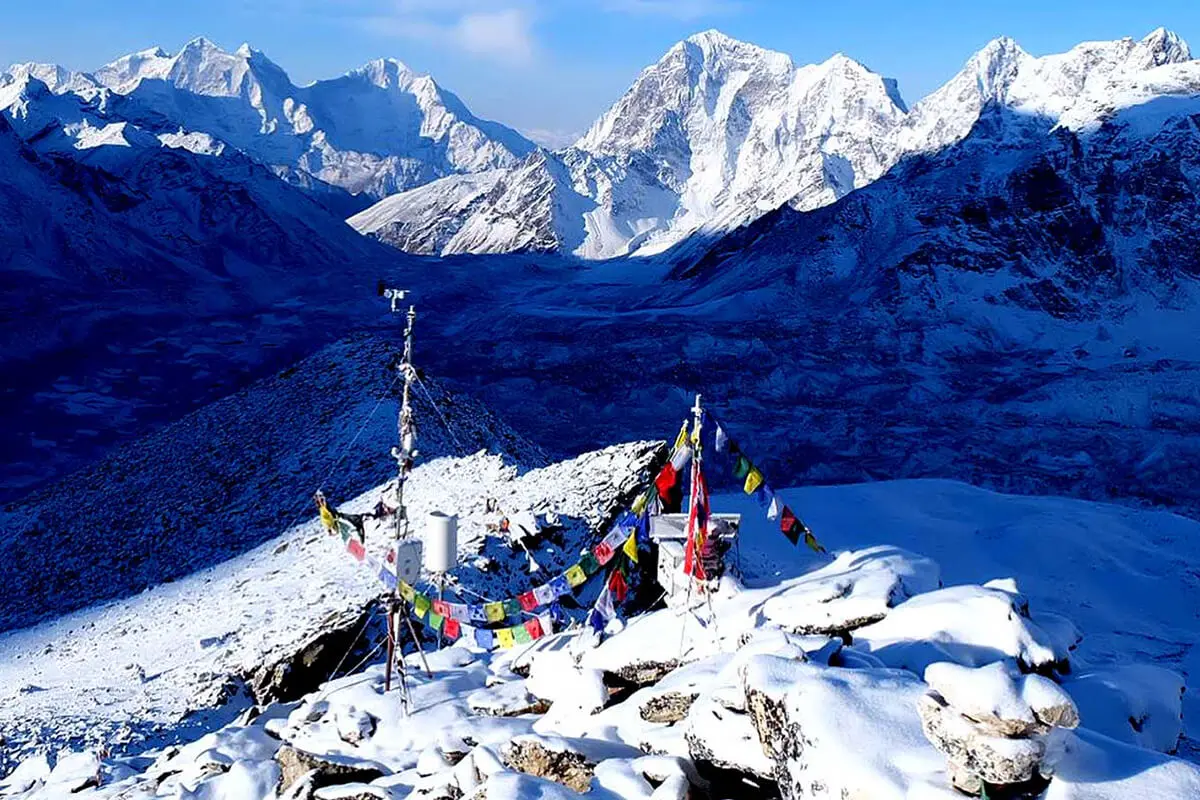
The Everest Base Camp Trek by road is moderately challenging, especially for first-time trekkers. The journey reaches a maximum altitude of 5,545 meters at Kala Patthar, and proper acclimatization is essential. The itinerary is designed to help your body adjust gradually to higher elevations. Trekkers usually walk four to eight hours a day on well-marked trails. Although the trek is demanding, it is still more manageable than longer and more technical Everest routes, making it suitable for beginners with reasonable fitness. Our local guides set a comfortable pace and monitor your health throughout the trek. With two to three months of basic fitness training—walking, running, or light gym work—most people can complete the trek successfully and enjoy the incredible Himalayan scenery.
Best Time to Trek to Everest Base Camp
Choosing the right season can make your trekking experience much more enjoyable. Spring from March to May is one of the most popular times to visit, offering mild temperatures, stable weather, and beautiful rhododendron blooms that color the trails. Autumn from September to November is equally popular and often considered the best season overall. Clear skies after the monsoon reveal stunning, crisp mountain views, and the daytime temperatures are comfortable for walking. Winter from December to February offers quiet trails and excellent visibility. Days can be surprisingly warm, but nights are extremely cold, and some high-altitude lodges may be closed. The monsoon season from June to August brings lush green landscapes, quieter paths, and moderate temperatures, though visibility is limited and trails can be muddy and slippery. Each season offers a unique experience, but spring and autumn remain the most reliable for weather and views.
Altitude Sickness During the Trek
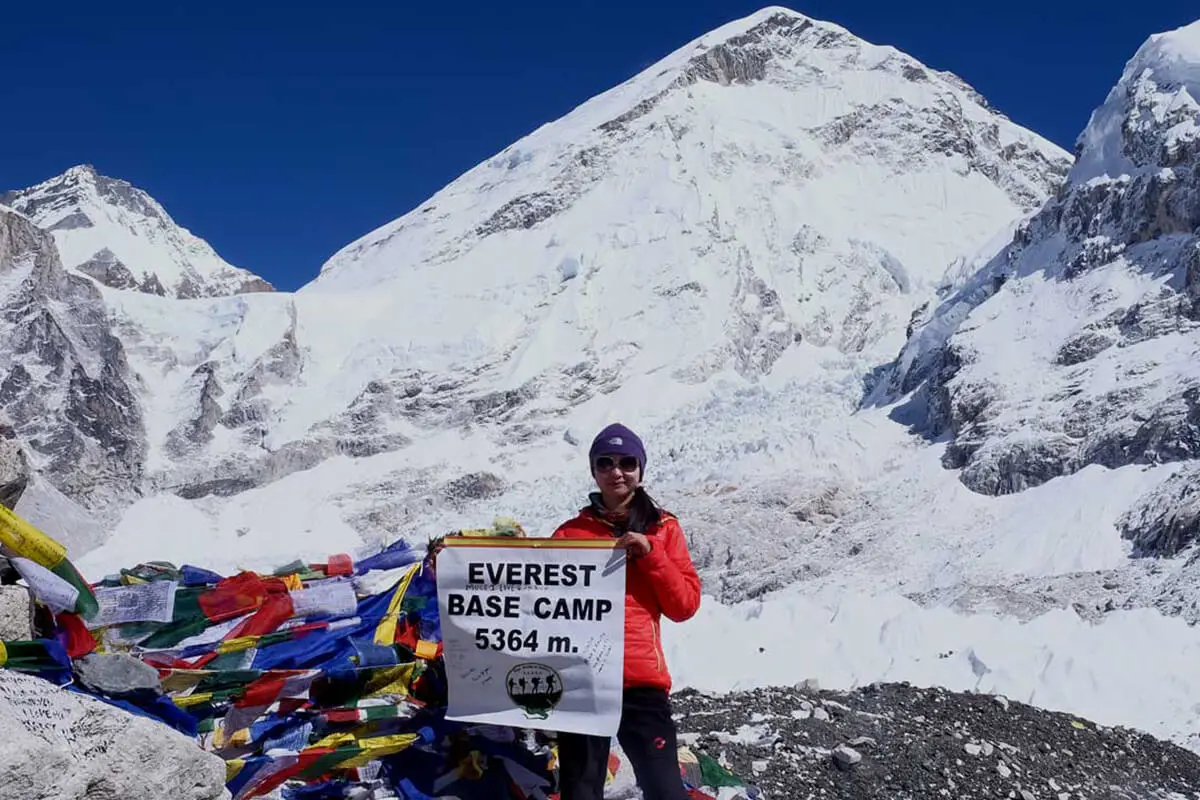
Altitude sickness is a real concern during the Everest Base Camp Trek, as trekkers reach 5,364 meters at Base Camp and 5,545 meters at Kala Patthar. Symptoms like headaches, nausea, tiredness, and difficulty sleeping are common at high altitudes. Severe altitude problems such as HACE or HAPE are rare but require immediate descent. Our guided treks follow strict safety protocols to keep you safe. Guides check your oxygen level and pulse every day, watch for early signs of altitude problems, and ensure that trekkers drink enough water and eat proper meals. Rest days are added where needed to support acclimatization. If a trekker shows serious symptoms, the team will descend to a safer altitude or arrange a helicopter evacuation. Your safety is always the first priority.
Distance and Duration of the Everest Base Camp Trek
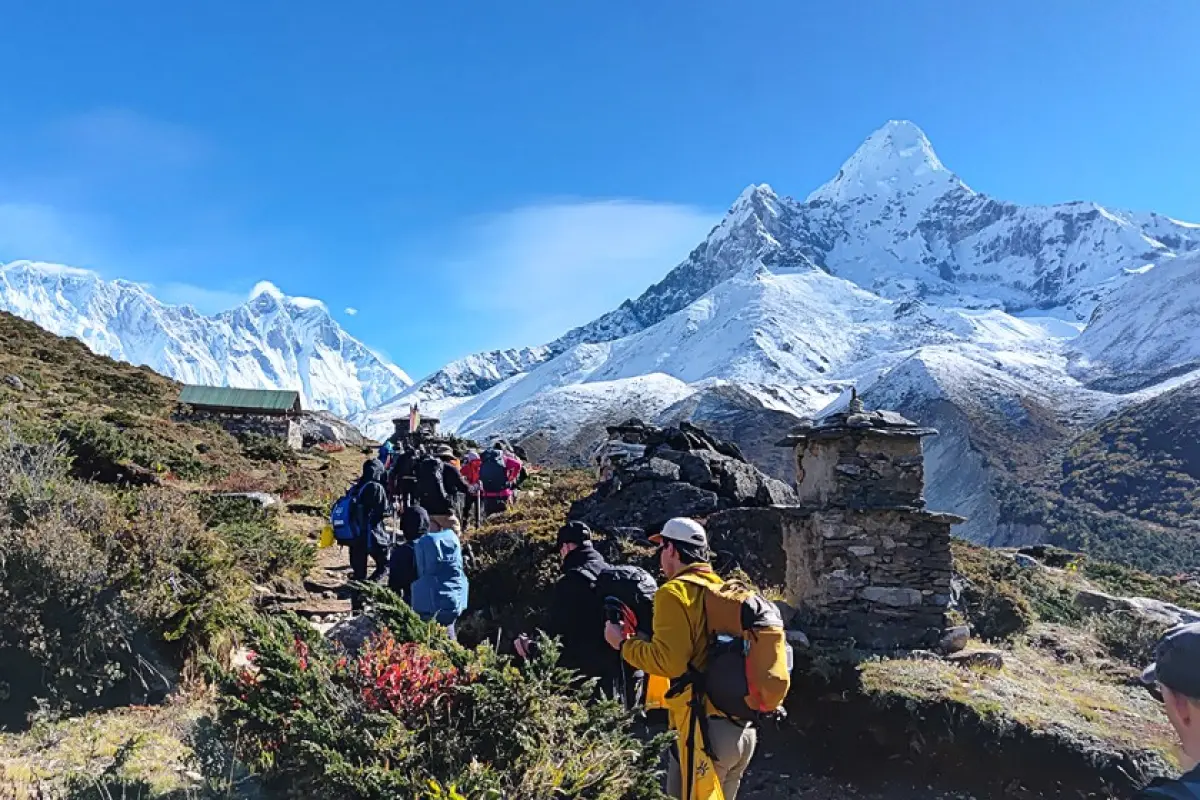
The Everest Base Camp Trek covers around 130 kilometers, or 80 miles, in total, and usually takes 12 to 14 days of walking depending on fitness and acclimatization needs. Trekkers walk an average of 10 to 12 kilometers a day. The trail passes through iconic Sherpa villages such as Phakding, Namche Bazaar, and Dingboche, leading to the Everest region’s highlights like Tengboche Monastery, Nangkartshang Peak, Lobuche, Everest Base Camp at 5,364 meters, and finally Kala Patthar at 5,545 meters. The return route follows Pheriche and continues back to Lukla. Good physical condition is important for completing the trek comfortably and enjoying the experience fully.
Accommodation During the Trek
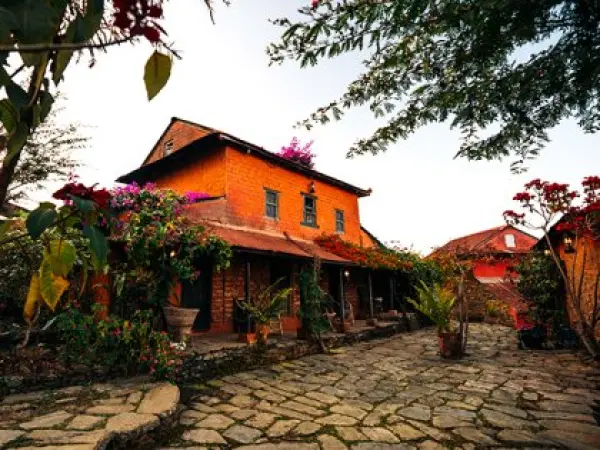
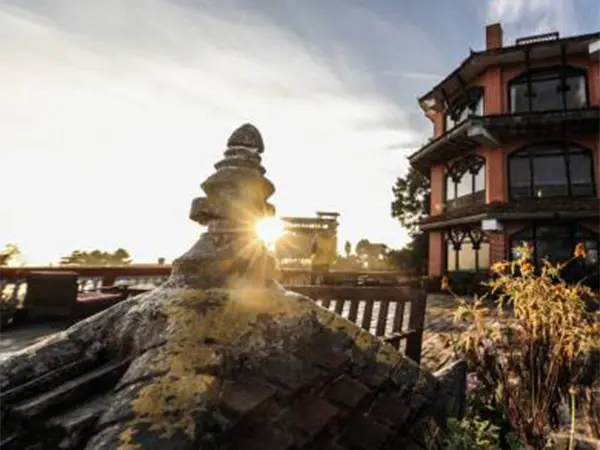
Your 18-day adventure begins and ends in Kathmandu, where you can stay in a hotel of your choice. We can arrange excellent accommodation, including Hotel Yala Peak, which offers spacious rooms, a delicious breakfast, and great dining at Yala Café. After returning from the Everest region, the comfort of a hot shower, soft bed, and good food feels especially rewarding.
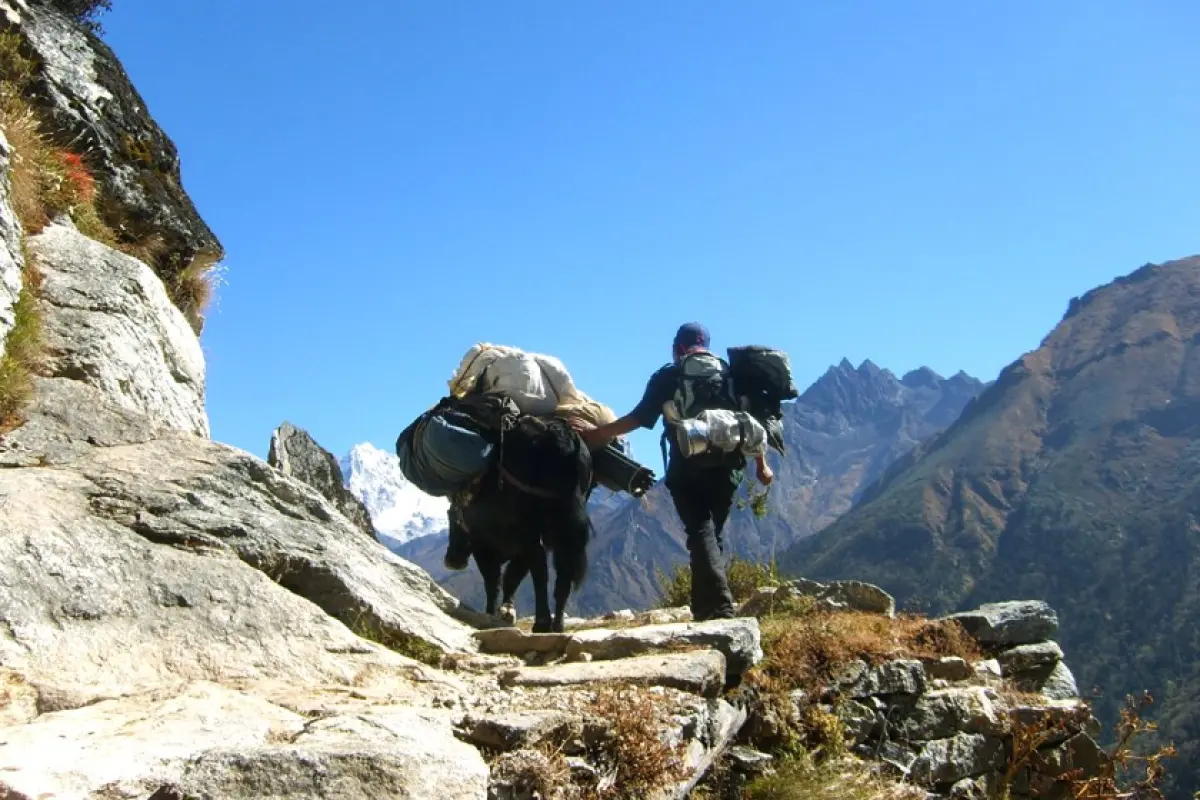
Along the trekking route, accommodation varies with altitude. In lower areas such as Lukla, Phakding, and Namche, trekkers stay in well-established lodges with comfortable beds, hot showers, and warm dining rooms. As you climb higher, the teahouses become simpler but remain clean and friendly. Rooms are more basic with shared bathrooms, and heating is available only in the dining area. Spending evenings around the wood stove, enjoying warm meals and sharing stories with fellow trekkers, is one of the most memorable parts of the Everest Base Camp experience.