Highlights
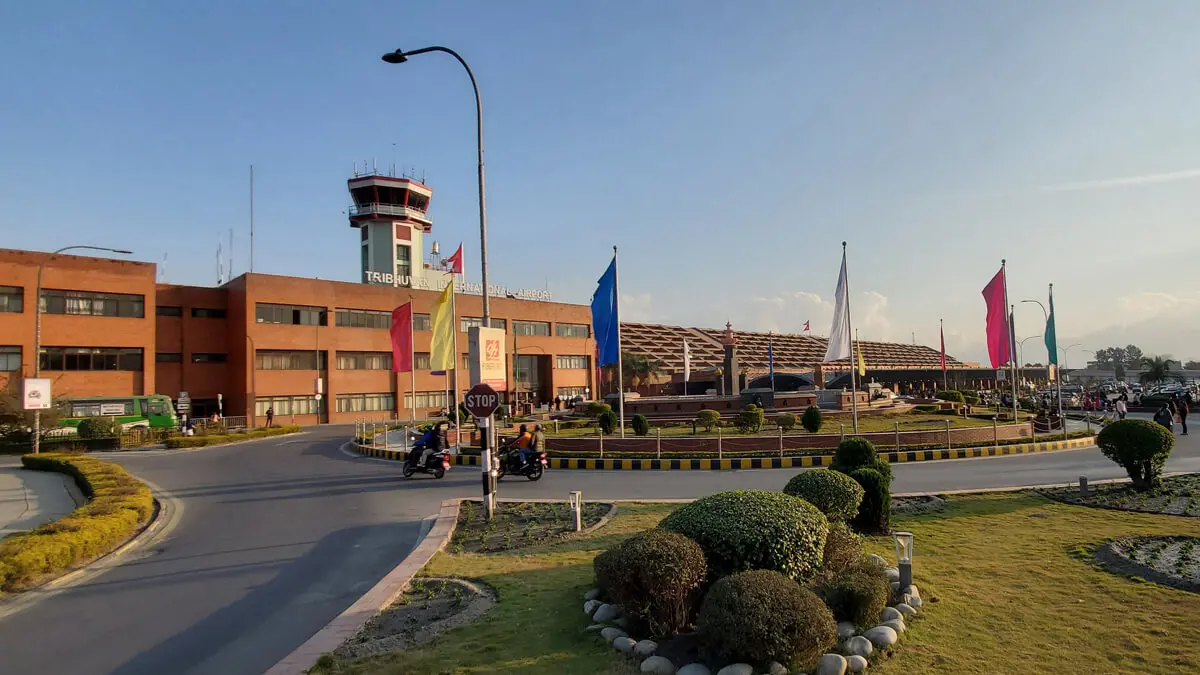
- Take a Scenic Mountain flight over the Himalayas (Kathmandu- Lukla- Kathmandu).
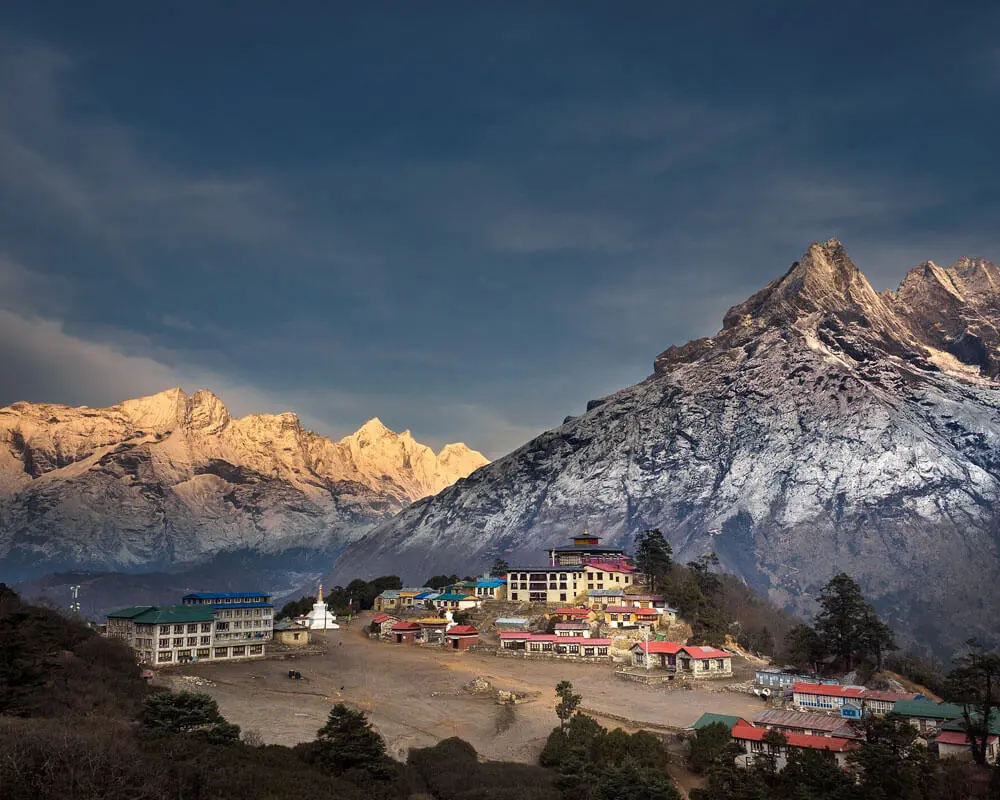
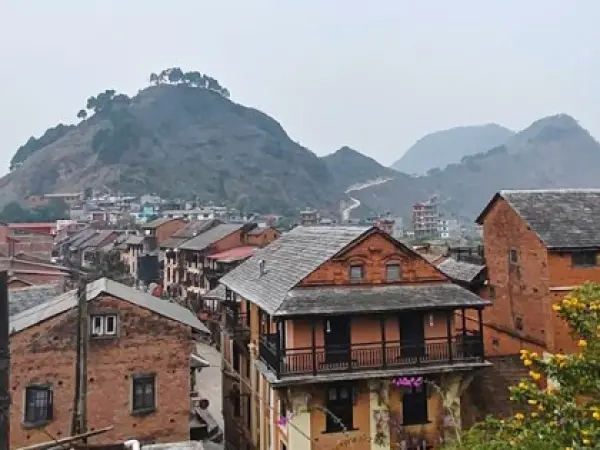
- Explore Sherpa villages, culture and lifestyle, old monasteries, prayer flags and prayer wheels.
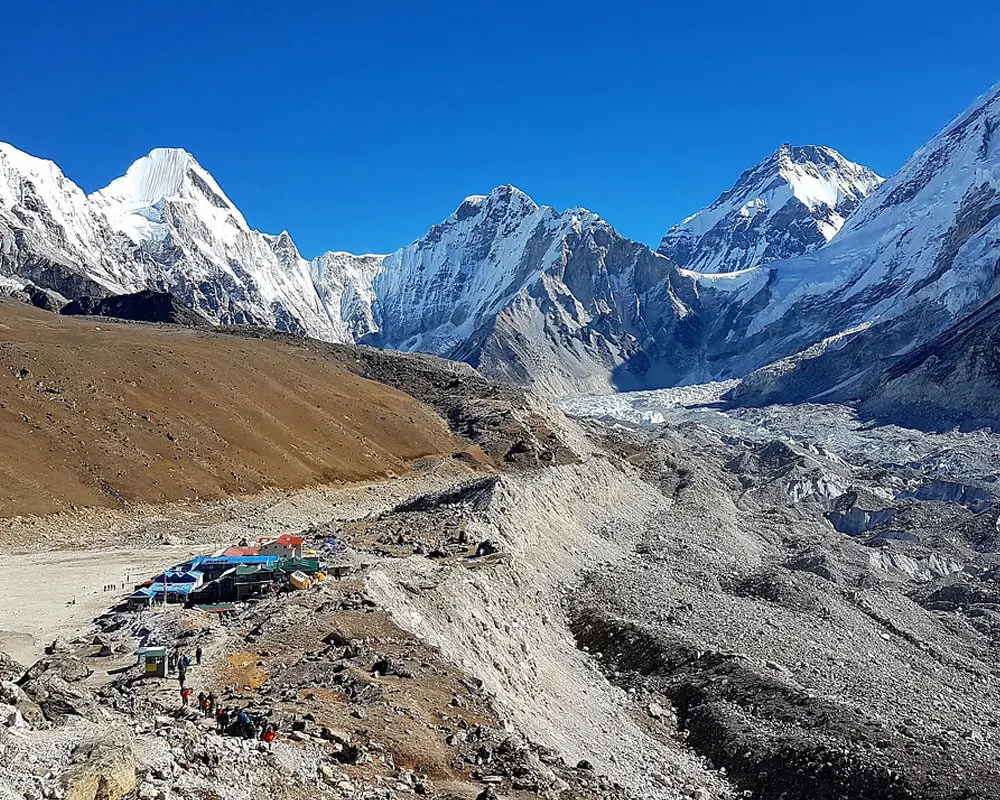
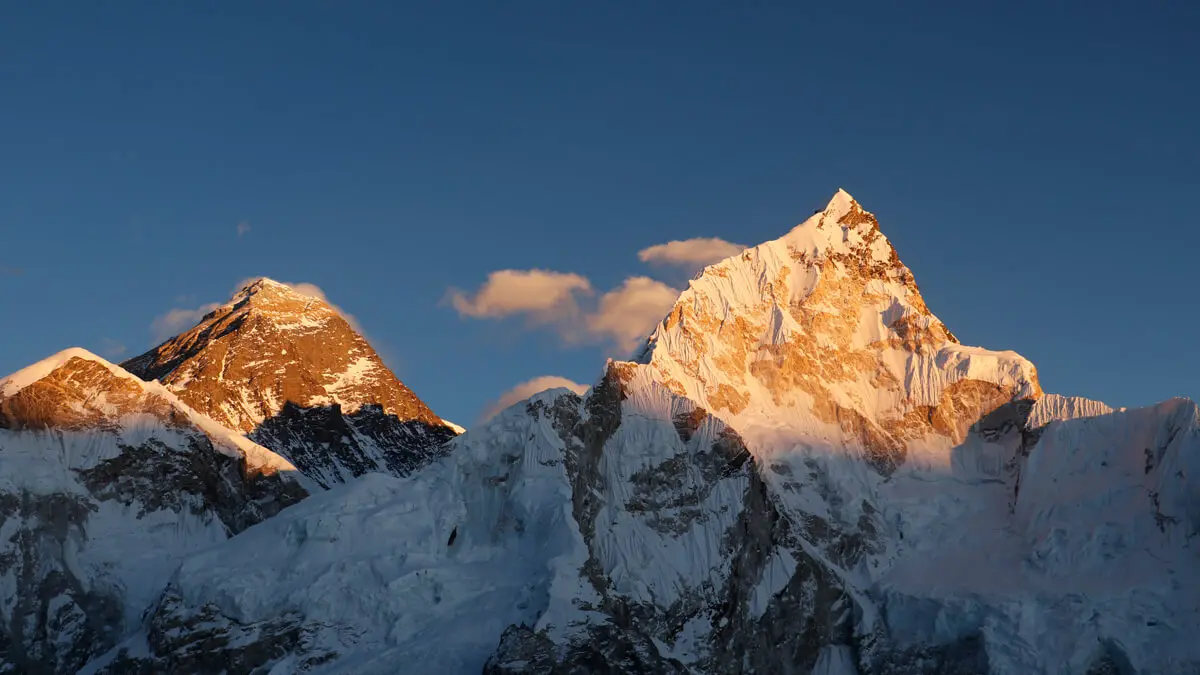
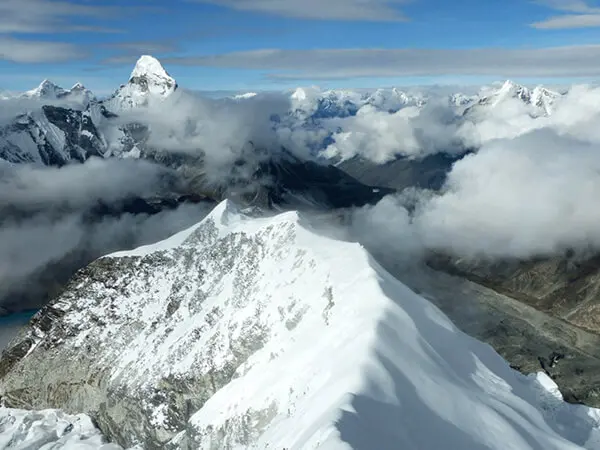
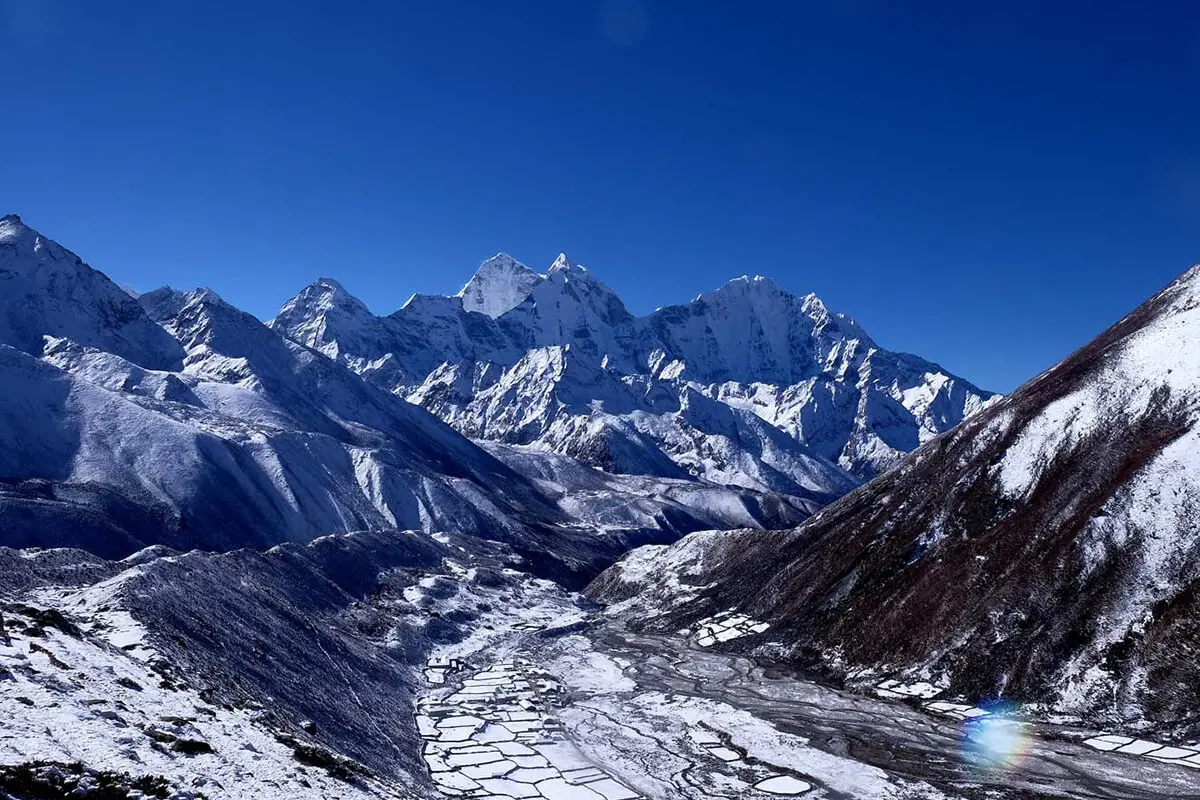
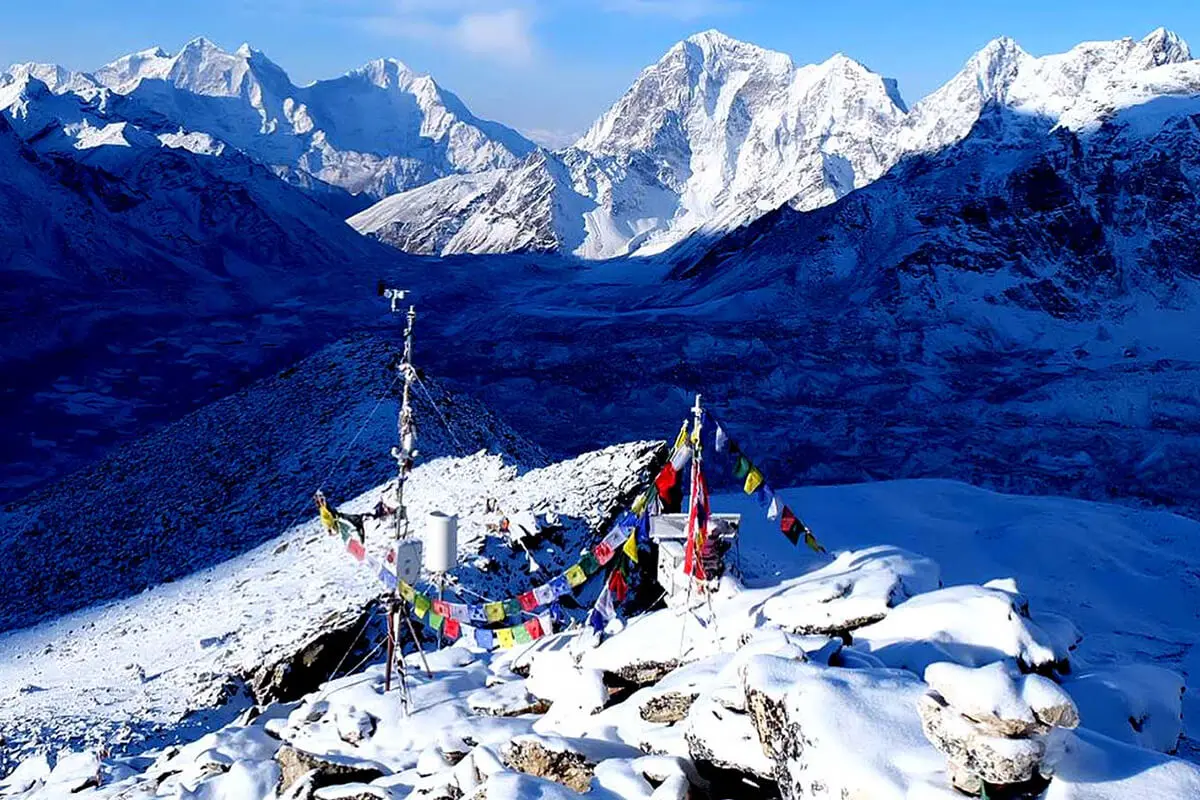
- Mountain view (Mount Everest, Pumori, Ama Dablam, Lhotse, Nuptse), thrilling view of glacier (Khumbu), sensational trekking trails, high suspension bridges, unexposed flora and fauna en-route.
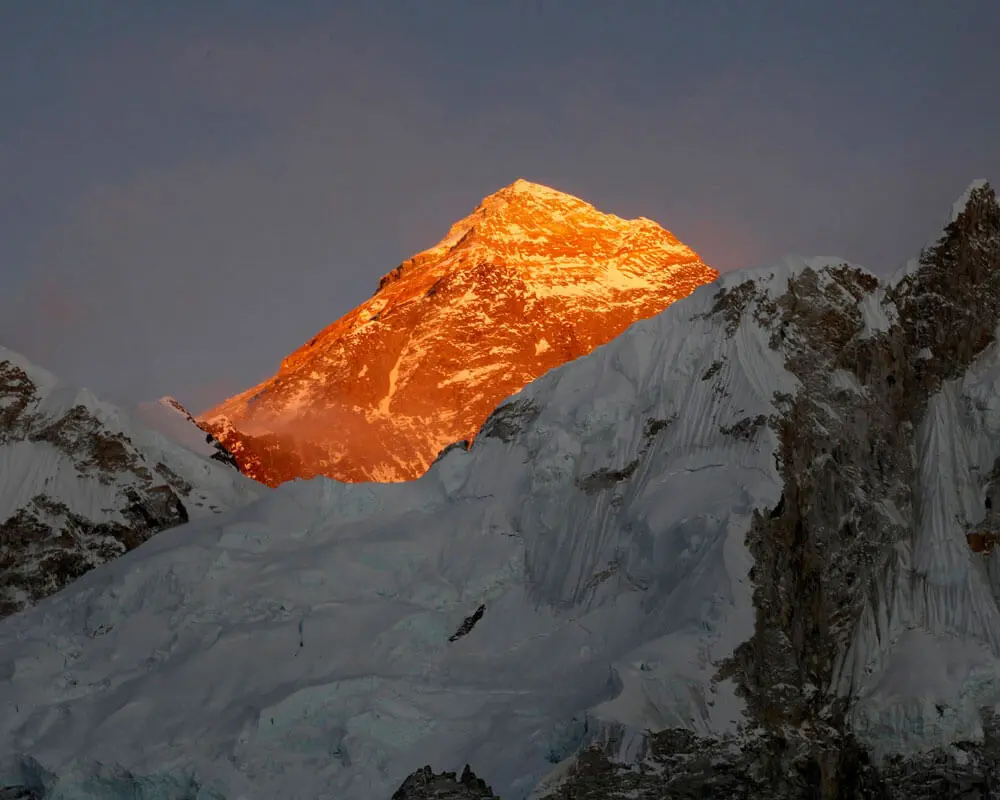
- A panoramic view of sunrise and sunset at the world’s highest peak Mount Everest (8848 m) from Kalapathar (5555 m).
- Explore the land of Sherpa home land, alpine forest, Buddhist Monasteries and authentic mountain lifestyle.
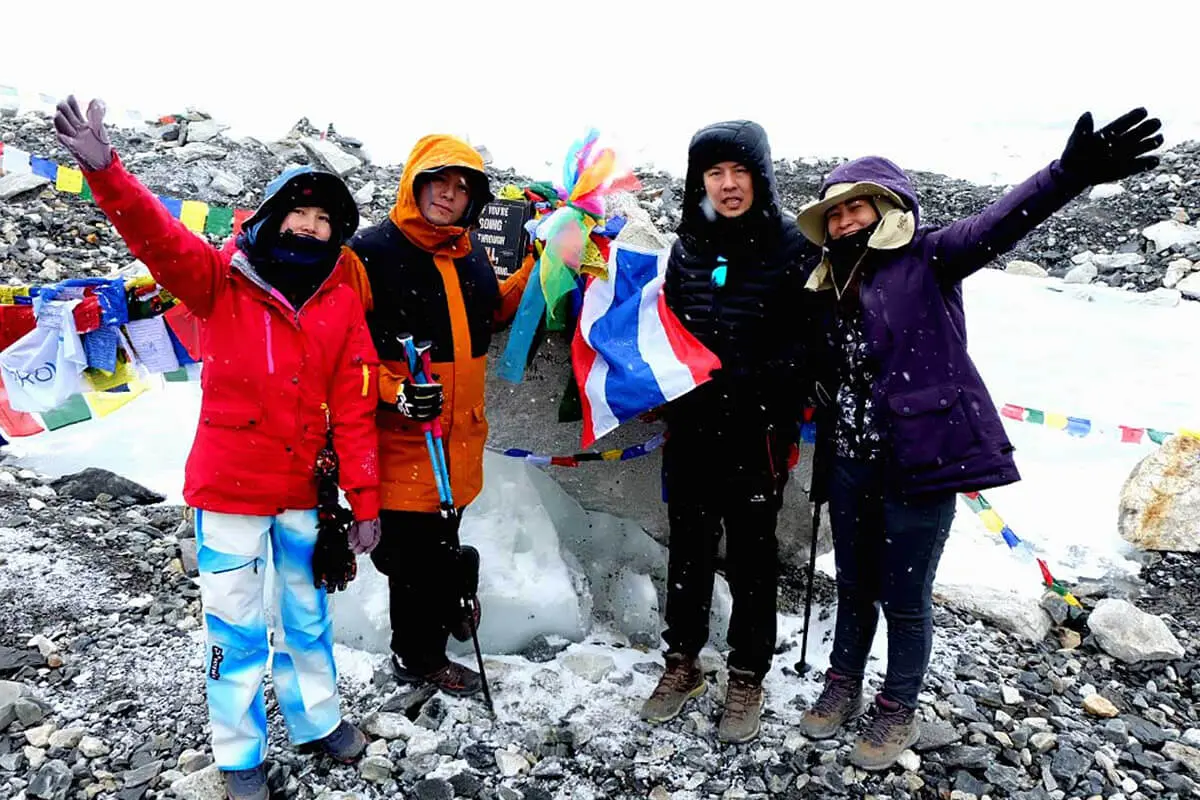
- The most stunning landscapes on earth that follow the footsteps of Hillary & Tenzing to Base Camp.
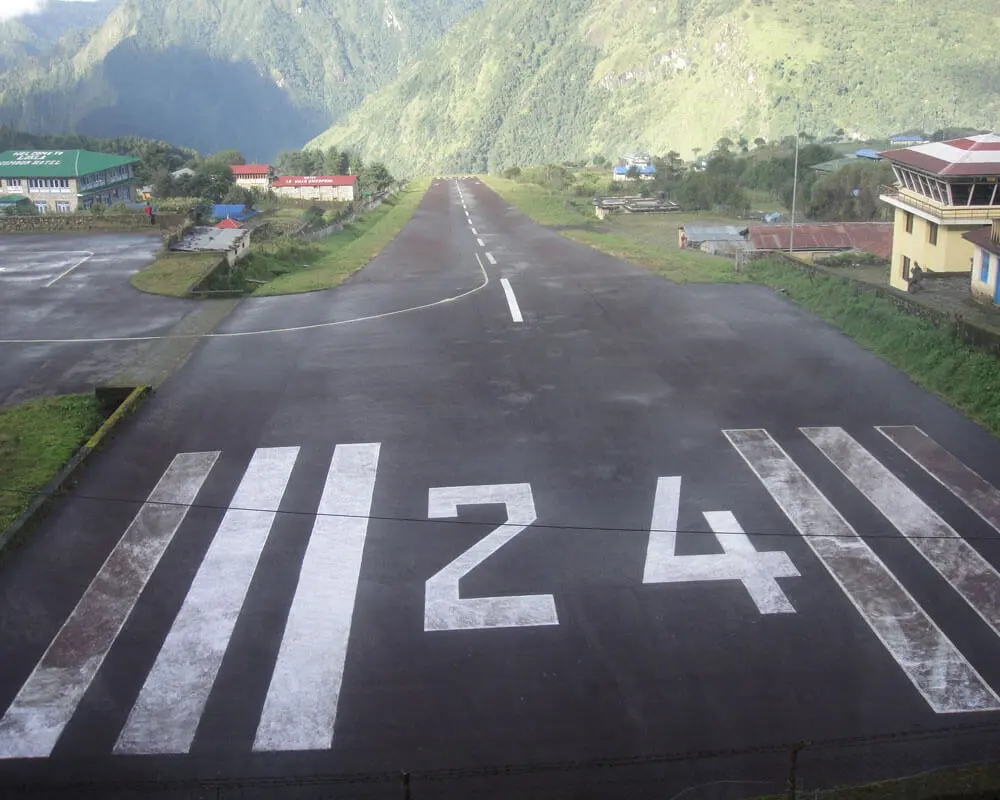
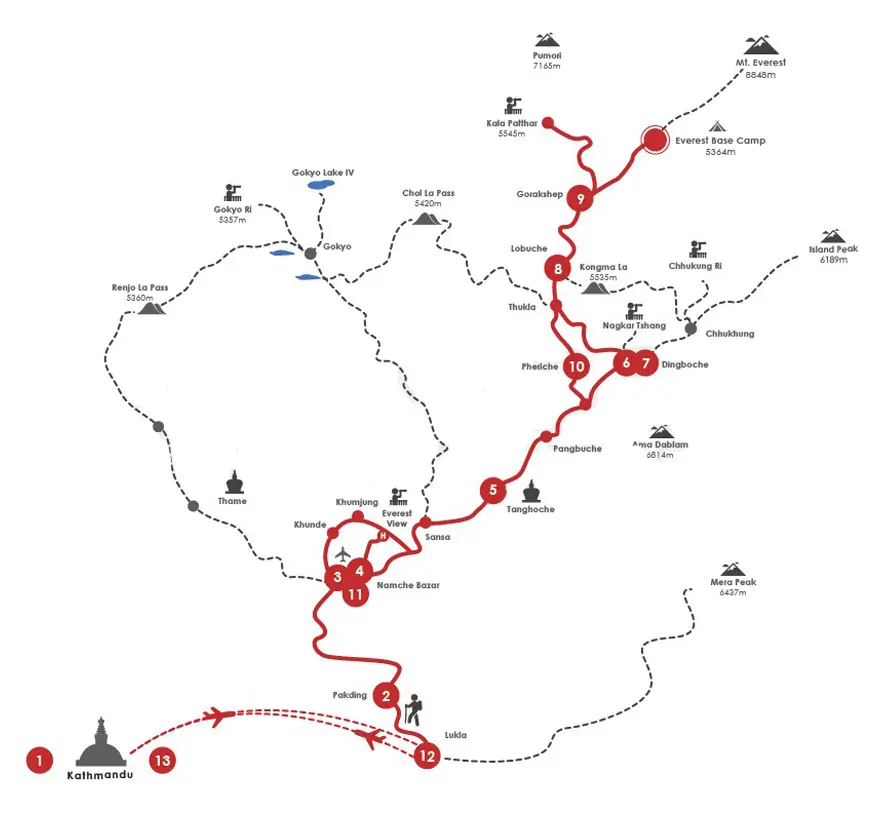
In the Himalayas, Everest Base Camp is one of the most popular and once in a lifetime top adventure destinations in the world. Trekking to Everest base camp in Nepal is the ultimate goal for trekkers. The scenery is breathtaking, with glistening peaks, glaciers around, and ancient Buddhist stupas and monasteries along with the fascinating Sherpa people and their culture and tradition in the Khumbu region. After a scenic flight to Lukla (a 35-minute exciting mountain flight from Kathmandu), start from Lukla. Once we arrive in Lukla, the trekking trail passes through Sherpa villages over countless ridges.
We trek to Everest Base Camp along the Dudh Koshi river, and climb up to the bustling Sherpa settlement of Namche Bazaar, where we spend two nights to ensure proper acclimatization with exploration hikes around. Leaving Namche, we hike to the hidden valley of Khunde and Khumjung and then to Dingboche via Phortse. Everest Base Camp trek-designed itinerary allows all the trekkers to have enough time for proper and better acclimatization. We hike up to Kalapathar at the height of 5545 meters, the highest point on our entire trek, from where the experience of seeing Mount Everest and the wonderful Himalayan vista will never be forgotten. Our 14-day Everest Base Camp Trek from Kathmandu to Kathmandu is one of the most iconic and rewarding treks in Nepal. This adventure takes you deep into the heart of the Khumbu region, offering unforgettable close-up views of Mount Everest (8,848.86 m) and other famous peaks like Lhotse, Nuptse, Ama Dablam, and Thamserku. More than just a trek, this journey allows you to connect with the warm and welcoming Sherpa people, visit ancient monasteries, and explore remote Himalayan villages. You’ll walk through lush rhododendron forests, across thrilling suspension bridges, and along high mountain trails, all while surrounded by stunning alpine scenery.
What to Expect Along the Trail
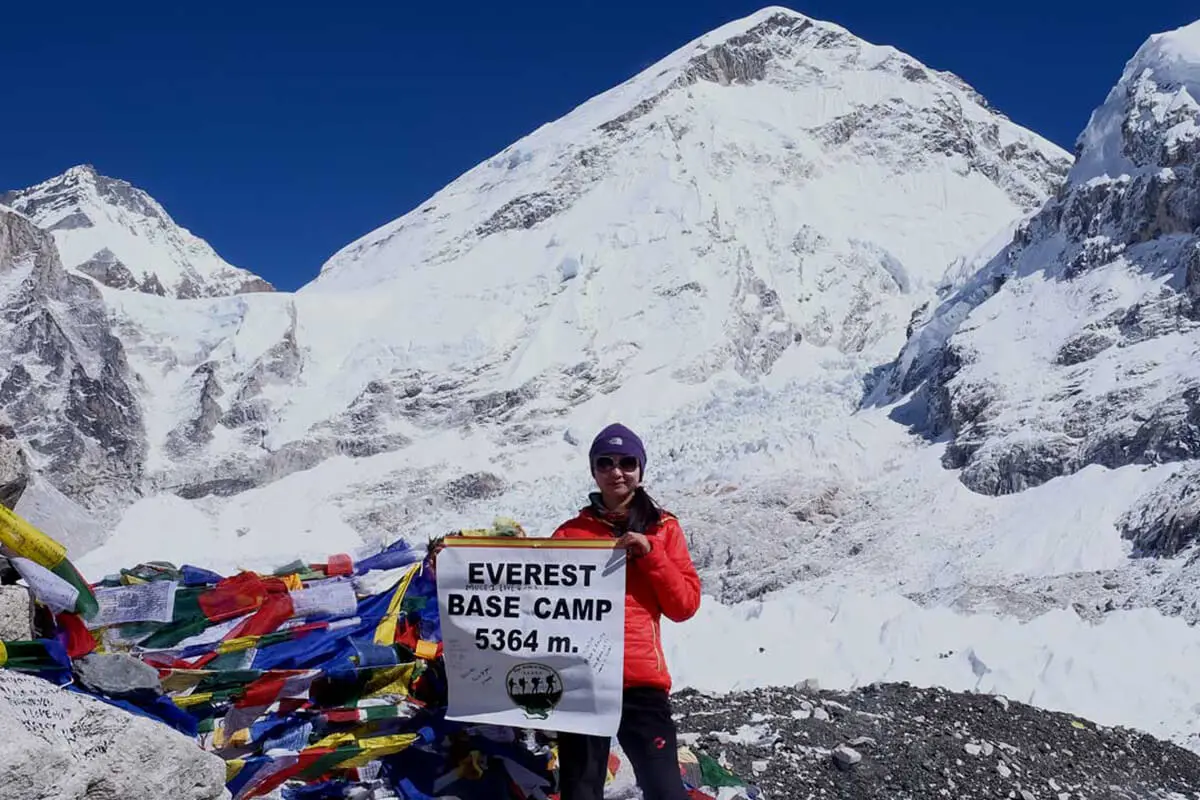
As you go hiking uphill to Everest Base Camp (5,364m / 17,594ft), this is one of the most amazing, fresh and stunning scenery in the world. Your expedition: From your initial view of Everest while you walk to Namche bazaar and the acclimatization day to Kala Patthar (5,545m / 18,192ft) dawn when you view the sunrise in the magnificent landscape you are going to be talking with a stunned face. You’ll also observe the snow-capped peaks like Mt. Lhotse, Mt. Nuptse, Mt. Ama Dablam, Mt. Thamserku, and Island Peak. Beautiful Sherpa villages, terraced fields, glacial rivers and waterfalls, colorful prayer flags, spinning prayer wheels and sacred mani walls
Is the Everest Base Camp Trek Right for You?
The Everest Base Camp Trek is considered moderate to challenging, depending on your trekking experience. If you have done high-altitude treks like Annapurna Base Camp, Poon Hill, or Langtang Valley, that experience will definitely help. But even if you’re a beginner, you can still successfully complete this trek with the right preparation, guidance, and acclimatization. Proper preparation is key to a successful trek. We recommend starting your training at least one month in advance. Since you'll be reaching altitudes above 5,000 meters and walking around 7 hours a day, both your physical stamina and mental resilience should be in good shape. You'll also need to carry your essentials during the trek. If you’re not hiring a porter, make sure you’re physically fit enough to manage your backpack. Hiring a porter can make your journey much easier and more enjoyable.
Best Time to Do the Everest Base Camp Trek
Nepal’s two dominant trekking cycles are spring (March–May) and autumn (September–November). These months are characterized by the best weather — with the most visibility. You can reach Lukla by flight or choose a helicopter or mountain flight for a more scenic experience. Trekking may also be an option during the off-season, when the trails become less active. Yet in monsoon months (June–August), landslides and low visibility can make travelling hazardous. In winter (December–February) you will face freezing temperatures—sometimes as low as -15°C—but if you’re well-prepared for the cold, you will enjoy clear mountain views and peaceful trails.
Why choose Trekking Plus for the Everest Base Camp Trek ?
- To choose Trekking Plus means trekking with confidence, backed by trusted and expert service and unforgettable experiences we provide.
- A professional local team with over a decade of experience
- High success rates for safe and enjoyable treks in the mountains.
- Fair pricing with excellent service
- We provide experienced guides, well-trained porters, and personalized service. Whether you’re a beginner or a seasoned trekker, we’ll make sure your Everest journey is unforgettable.
- At Trekking Plus, safety and sustainability are central to everything we do.
- We have composed an Everest base Camp trek itinerary carefully with two strategic acclimatization days.
- We provide comfortable local mountain lodges with fresh, hygienic food to keep you healthy throughout your journey.
- Trekking Plus guides are highly experienced and hold Wilderness First training and are well trained, which lets you to relax and focus more to complete the trek without any problem.
- Trekking Plus, every trip booking, includes a contribution to the Ke Garne Foundation, supporting education and development for the poor community in Nepal.
- Our Everest Base Camp Trek is thoughtfully designed with sustainability in mind, helping protect the fragile Himalayan environment while offering an unforgettable trekking experience.
Looking for something different?
Try our Luxury Everest Base Camp Trek for a more comfortable experience. Go on an Everest Heli Tour to enjoy views from above. Take on the Everest Three High Passes Trek if you want a real adventure Or join our Everest Panorama Trek or Gokyo Valley Trek for shorter yet stunning alternatives. You can book all these trekking options in Everest for spring or autumn 2026/2027—the best seasons for clear weather and great views in the Himalayas.
When is the best time to trek to Everest Base Camp?
Everest Base Camp trek has become much more popular than other commercial trekking routes in Nepal. Although the trail is open to hikers year-round, during the winter and monsoon seasons there are fewer trekkers. The Khumbu region has the best trek time in autumn and spring. Pre-monsoon (February to May) and post-monsoon (September to December) are the ideal months. During these months, the weather is generally stable, visibility is excellent, and temperatures are favorable for trekking in the Himalayas. These spectacular mountain views along the route to Everest Base Camp are most ideal during this time.