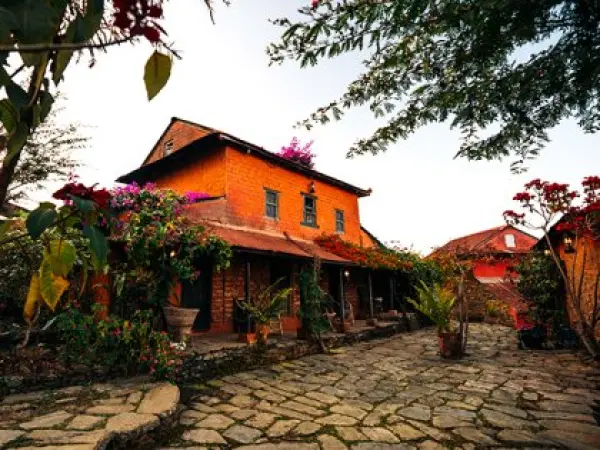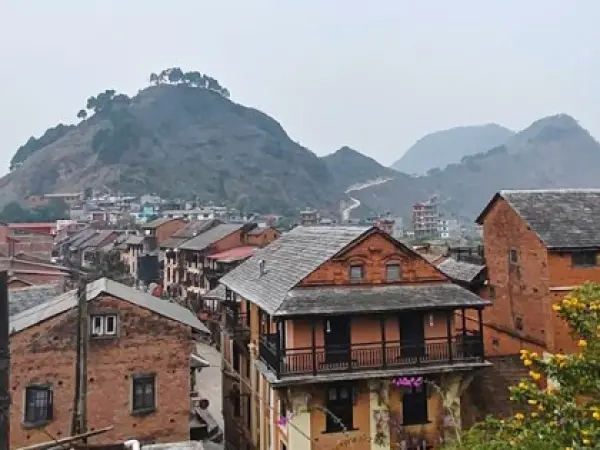
Nar Phu valley is the last standing remains of ancient forbidden kingdom of Tibet later found in Nepal. This region is one of the untouched and unspoiled region from outside world and is also called as the Little Tibet. The Nar Phu Valley Trek with Annapurna Circuit is a combination of two trekking routes. You leave the main Annapurna Circuit, go to a hidden valley of Nar Phu, and then return to the same trail later to finish the trip.
Nar Phu valley trek with annapurna circuit is one of the most untouched and beautiful, less crowded treks in Annapurna region. Nar and Phu villages are situated in a northeast valley near Chame. Nar Phu Valley Trek has only been open for exploration since 2002 and offers extraordinarily pristine cultural and scenic views and rugged landscapaes. This trekking is Nepal’s true hidden gem; its rugged landscapes and ancient villages bordering on Tibet have lain in peaceful solitude for years from the outside world. Relatively few trekkers make the journey to one of the last truly untouched regions in the Himalayas, so this trek is less crowded compared to other trekking regions in Nepal.
We start Nar Phu Valley Trek from either Jagat or Dharapani after driving there from Kathmandu. We follow the same hiking route from Annapurna circuit trail to Koto and Meta. We cross the bridge over the Marshyangdi river leading to Nar Phu Valley from Meta. The narrow forest entrance opens up to a huge expansion of snowy peaks of mountains Kang Garu and Pisang and several others, ancient villages, ruins, and monasteries. We will also come across yaks and blue sheep. The trek through the valley culminates with the climb up to Kang La pass (5360 m) and the steep and rocky descent to Ngawal on the Annapurna Circuit trail. We continue on the Annapurna circuit trek route over Thorong La Pass. We will see great views of Annapurna II, Gangapurna, Tilicho peak. Then we hike up to the magnificent Tilicho lake and cross Mesokanto pass and head to Jomsom. After a final stop at Tatopani to relax in the hot springs we drive to Pokhara then back to Kathmandu.
We also have an option to head back as an alternative. Otherwise, the trek concludes by hiking back down the trail to Chame and the return drive to Pokhara or Kathmandu. You have an option to stay overnight at Riepe village instead of Besihar before you go back to Kathmandu or on your journey to Pokhara.
Nar Phu Valley Trek with Annapurna Circuit Permits
As Nar Phu Valley is a protected area, we have to apply the special permits to support the preservation of the area. This restricted area permit will costs are as below
- For the months of September to November, the rate per person is USD 100 for one week
- If you are visiting between the months of December to August, the cost is USD 75 for one week per person.
Beyond one week,it costs USD 15/10 per day per person. In addition, ACAP (Annapurna Conservation Area Permit) is mandatory and cost NPR 3000 (USD 30). And if you are combining this trek with Annapurna Circuit, you will need a TIMS Card that costs USD 10 for a groups and USD 20 for FIT trekkers.
Best Time to Trek Nar Phu Valley Trek with Annapurna Circuit
If you're planning a trek to Nar Phu Valley with Annapurna Circuit, you'll want to consider the weather before you go. Trekking Plus offers Nar Phu treks during the spring (March to May) and autumn (September to November) seasons, which are the best times to visit.
During spring, the temperatures are mild and the skies are clear, making for perfect trekking conditions. The high elevations of Nar Phu Valley have a mean daily temperature between 8 to 0°C, while lower regions are warmer and more pleasant to trek. You can also enjoy the beautiful blossoms of rhododendrons, which start to bloom in April.
In autumn, the weather is also moderate, and the precipitation is low, making for ideal trekking conditions. The daytime temperatures can reach up to 20°C in high altitudes, and the night temperatures fall to around 5°C. The greens of the monsoon season fade to golden/amber, creating a beautiful contrast against the crystal blue skies. Plus, you'll get to experience the festive mood of Nepal during the two biggest festivals of the year - Dashain and Tihar.