
Highlights
- Newly opened and untouched beauty in the Langtang region.
- Non touristic and less crowded trekking trail in langtang trekking region.
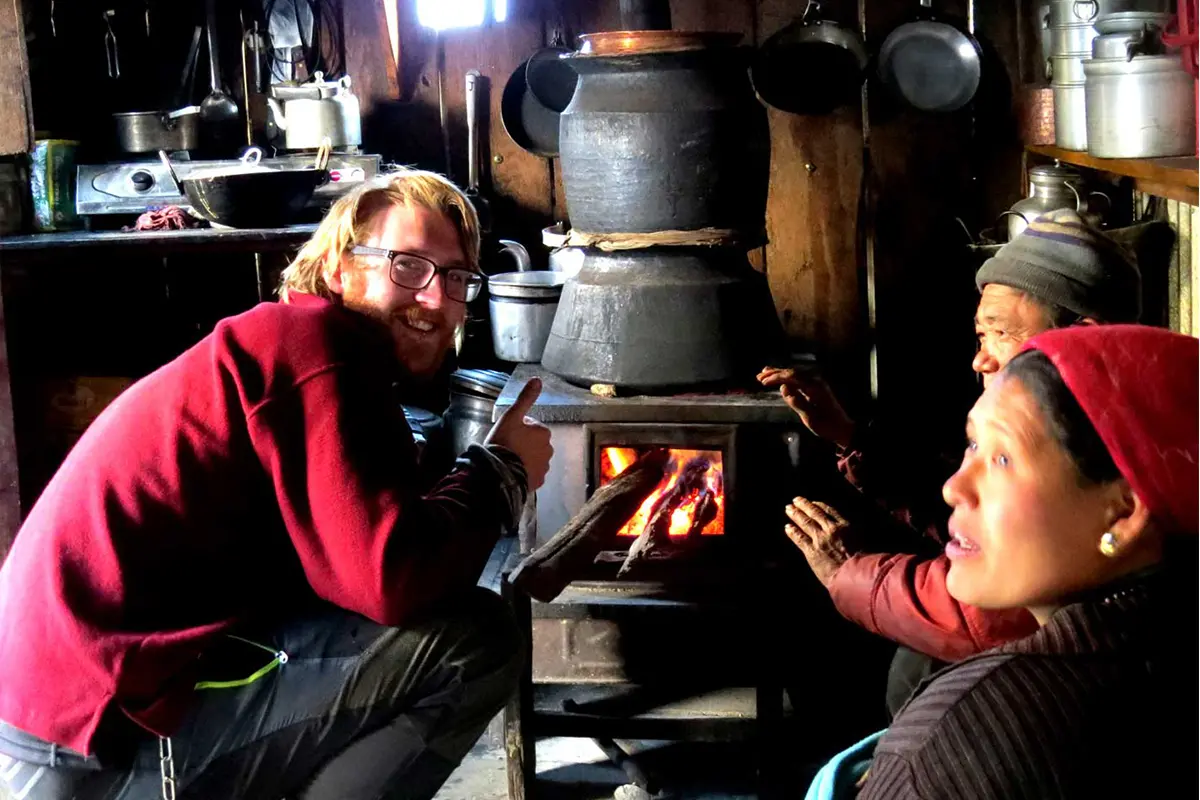
- Experience Tamang culture and lifestyles and warm hospitality of the Tamang people at Local house or lodges during your trek.
- Rare wildlife animals and birds at the Langtang National Park like never before.
- Learn about the ancient Tamang society, ancient Buddhist monasteries and their cultures evoked from Tibetan Culture.
- Enjoy the hot spring at Tatopani, take in a traditional cultural show at Briddim
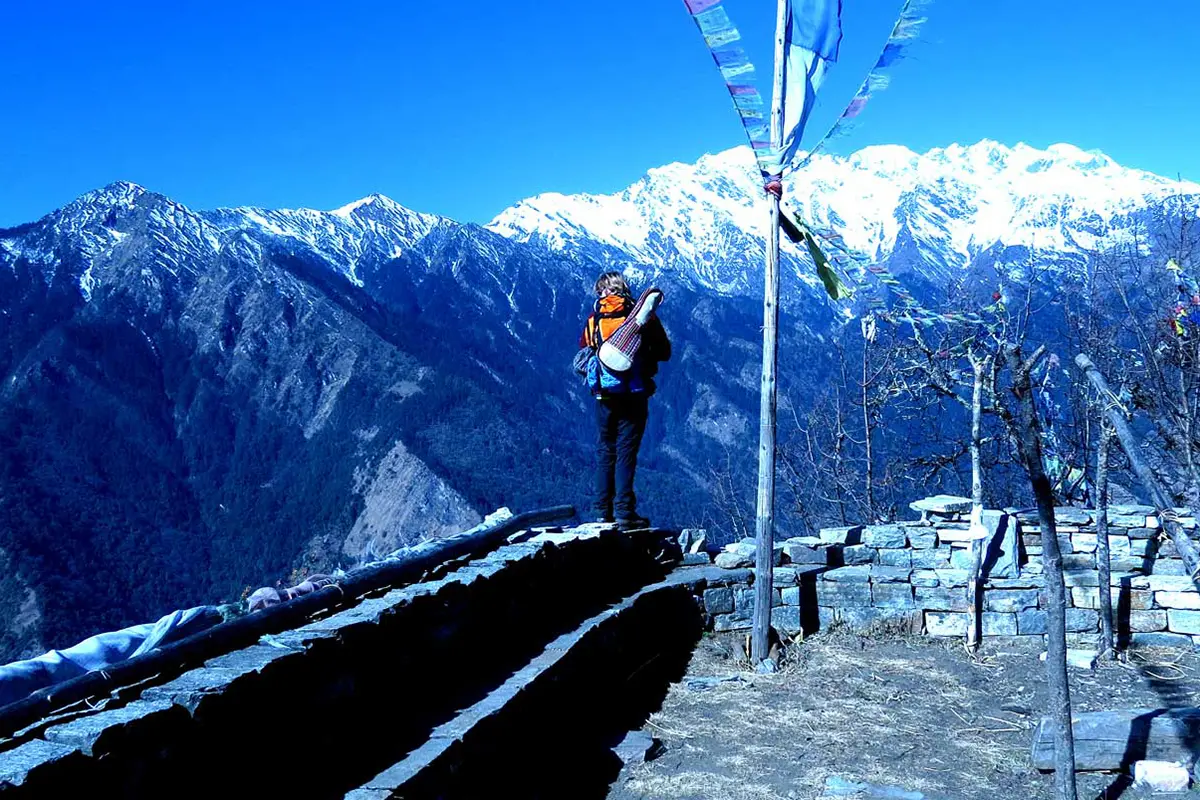
- Remarkable views of the snow mountains such as Langtang Lirung, Ganesh Himal, Shishapangma, and the Gosainkunda range
- Spend quality time in the homestays of the local Tamang Community to closely learn about their culture and heritage.
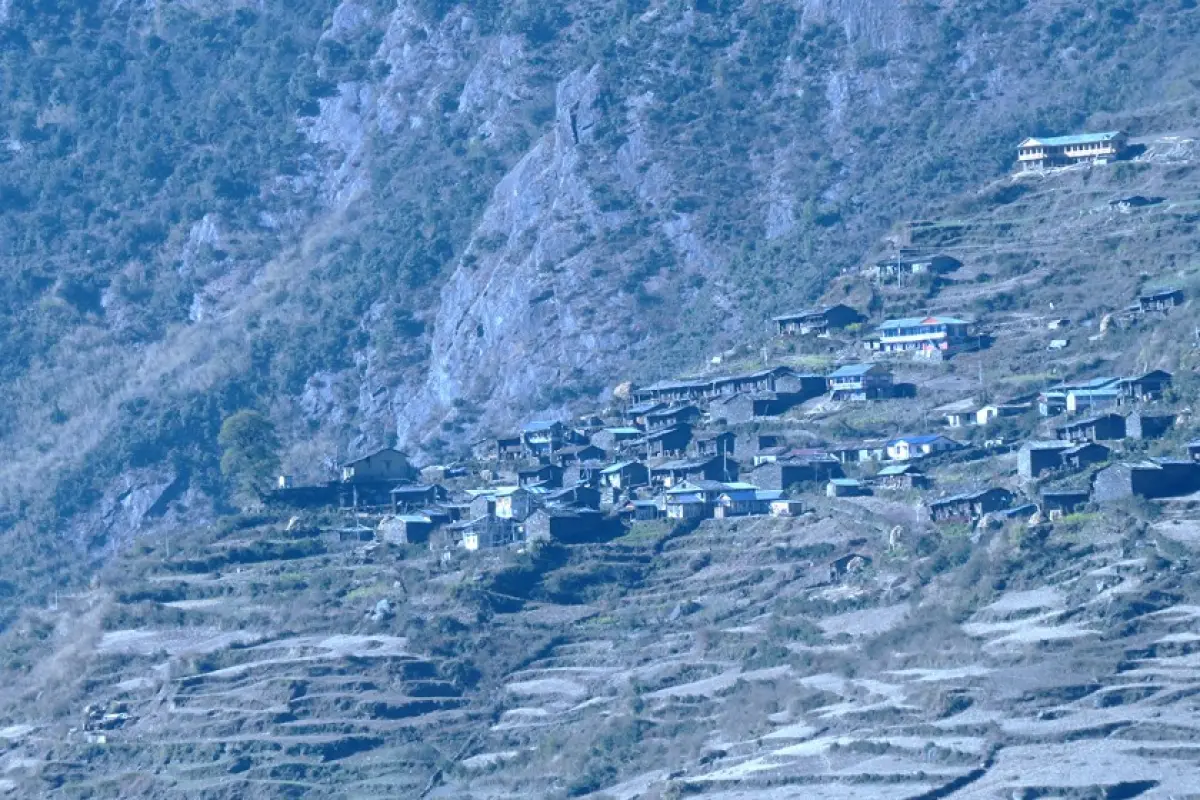
Tamang Heritage Trail Trekking is a recently opened area, west of the Langtang Valley. This trek let you to interact with these people of Tibetan origin along the tekking. Mountain Lodge or homes and experience at first hand the warmth and spirit of the Tamang culture; their Buddhist beliefs and their handicrafts. Your hosts, farmers supplying produce, cultural entertainers and handicraft sales all benefit; with some money going into social funds. One distinct advantage is that Tamang heritage trek Nepal is still “off the beaten track” which is also know as non touristic trekking trail. Tamang heritage trail trekking winds over ridges trekking through farmlands, marshy grasslands, subtropical forests and highlands that offer magnificent views of snow covered peaks. The forests are home to Langur monkeys, bears, pandas and countless birds.
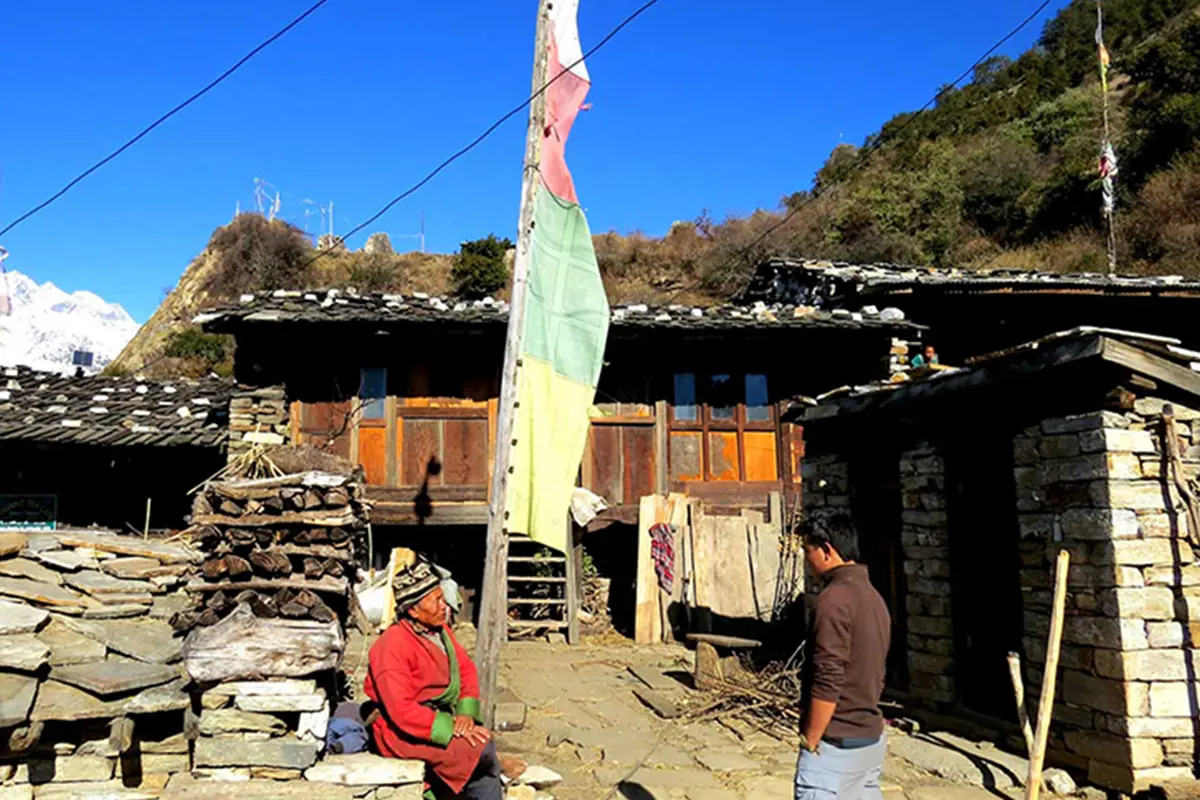
Experience a culture and learn about one of the Nepal’s Tibetan-influenced culutures and tribes. Stay in a local homestay in Briddim, to learn more about the Tamang people and their way of life and enjoy spectacular views of mountains including Ganesh Himal, Langtang and Gosainkund range. The Tamang people first resided in Nepal from the Tibetan region as traders(basically horse traders) to trade their goods and product to Kathmandu Valley and settled in the hilly area near the Valley. They distinctly retained the identity of Tibet with their culture, traditions, and livelihood. Sadly, they were the most affected community in the Earthquake of 2015. Agriculture and tourism are the base of the main economy. Trekking to the Tamang Heritage Trails not only gives you aesthetic vibes but will create a boost in their local economy as well.
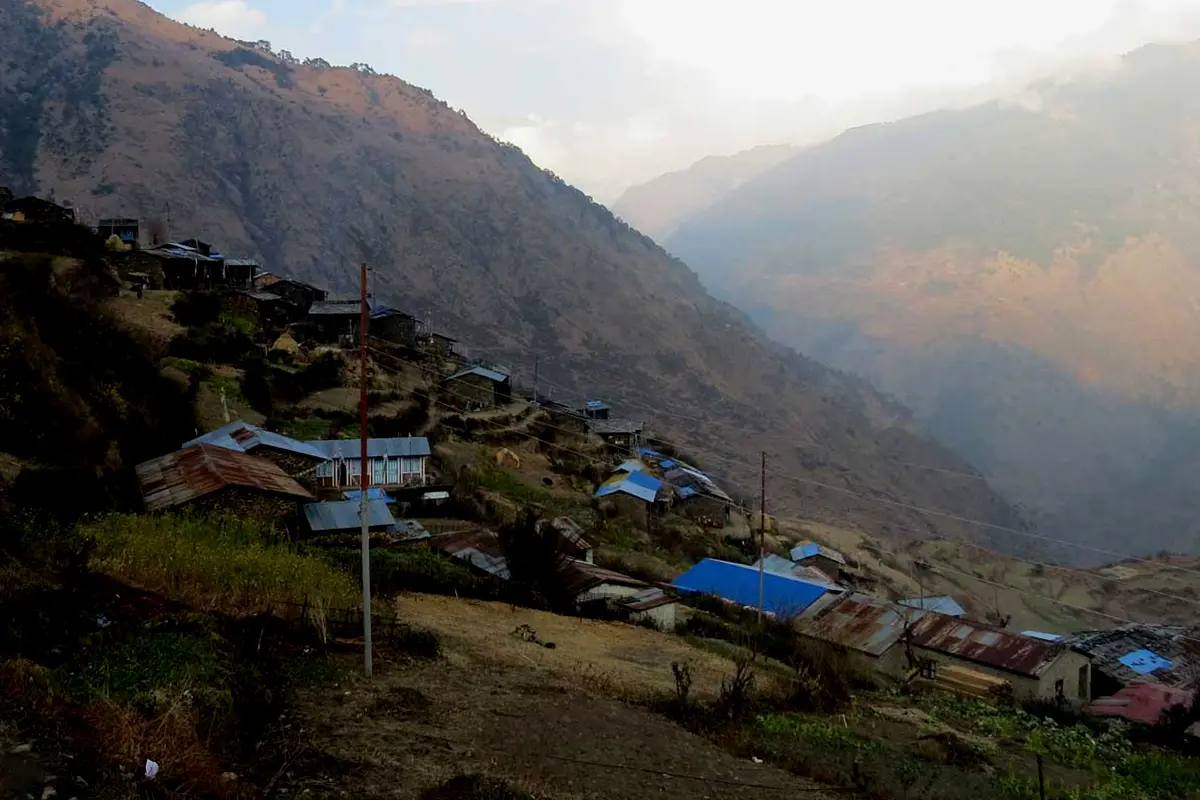
Tamang Heritage Trail Trakking begins with a 132km north from kathmandu, about 8-10 hour bus ride. Exciting road trip to get syabrubensi. We cross the Dhotre Khola, before turning north up the Trisuli Nadi to Syabru Besi (Lower Syabru): the starting point of the trek. This is an interesting village at the confluence of the Bhote Kosi and Langtang Kola, below which it becomes the Trisuli Nadi. The first day’s trail upwards, to a ridge and a walk to the view point of the day Rongba Bhanjyang and another 45 min.Trek to the Tamang village of Gatlang dotted with traditional stone houses. Gatlang is the largest Tamang village in the Langtang Region. Descend to Thangbuchet River and bask in the stunning views of Langtang Ranges and Ganesh Himal on your way to Tatopani. Walk past the lush green forest and stunning Himalayan views on your way to Thuman. Views of the High Himalaya from the Nagthali Ghyang ridge before descending to Thuman is spectacular. Briddim village lies near the Tibetan border and you will notice the influence of Tibetan Buddhism in their culture and lifestyle. We will be staying in a family home at Briddim, complete with dinner and a demonstration of traditional dances and local handicrafts are the features of Tamang heritage trail route trail head back to Syabrubesi.
The route exposes a unique ethnic culture that’s found within the Tamang community in this area who traces their roots to Tibet with mystical customs and traditions of their lives based on ancient superstitions that are as old as these mountains. This trek is an easy and lively experience for any enthusiastic travelers who would love to spend some quality time amidst nature experiencing the local folks’ rich culture and routine life. The trail is still untouched by any modernization. The trail treasures the authenticity of nature, wildlife, biodiversity, and the traditional lifestyle of people.
The Tamang Heritage Trail trek also gives us the pleasant view of mountain such as Langtang Lirung (7245m), Langtang Kerung, Chumse Danda ridge (5122m), Dorje Lakpa (6989m), Jugal Himal, Ganesh Himal, Paldor peak, Shringi Himal, Manaslu and Sanjen Himal ranges. Glaciers of different shapes and high altitude lakes in mountain. This trek will make up a wonderful holiday that will be longer in the memory of a life time. Experience the wonder of the himalayas like a local with Trekking Plus, adventure and trekking in Nepal with local expert.
Best time to do Tamang heritage trail trekking in Nepal
Autumn and spring season are the two best seasons for Tamang heritage trail trek. Here is why it is better to do Tamang heritage trail trek in the spring and autumn seasons.
1. Autumn season (October and November)
Autumn is the best and ideal season for the Tamang heritage trail trek, offering optimal conditions for the Himalayan trekking adventure. This period boasts abundant sunshine and moderate temperatures, earning it the moniker of ‘neither cold nor hot’ in Nepal. With minimal rainfall and exceptional visibility, trekkers can enjoy the breathtaking mountain vistas and stunning scenery throughout the day. Even in the higher elevations, temperatures remain comfortable, making Autumn an excellent choice for achieving the Tamang heritage trail trek adventures.
2. Spring season (March, April and May)
Spring, often known as the “flower season” in the Higher Himalayas, is when vibrant rhododendron blossoms in the forests. It is considered the second-best time for the Tamang heritage trail trek, as the days are warm and sunny with minimal chances of rain or snow. The season offers excellent visibility, making it an ideal time for trek. Generally, the weather is stable, with fewer clouds and a lower likelihood of precipitation. However, towards the end of spring, conditions can occasionally deteriorate. Thanks to the warmer temperatures, this season is also popular among climbers scaling the high mountains.
3. Monsoon season (June, July August and September)
The monsoon season, encompassing June to August poses significant challenges for trekking. Persistent cloud cover and heavy rainfall often obstruct views and create uncomfortable conditions for the trekking adventure. Furthermore, the monsoon season increases the risk of landslides and floods, posing potential safety hazards. Consequently, we strongly advise against trekking during these months, as the overall experience is not conducive to an enjoyable and safe journey for tourists.
4. Winter seasons (December, January and February)
This is a cold month of the year and not appropriate for the trek in the high Himalayas. There is a high chance of snowfalls and cloudy weather so the trekkers may suffer. The temperatures drop very low and high passes trek are very dangerous due to the snowfalls. If you want to do the trek in the Himalayas then the risk is yours at this time.