
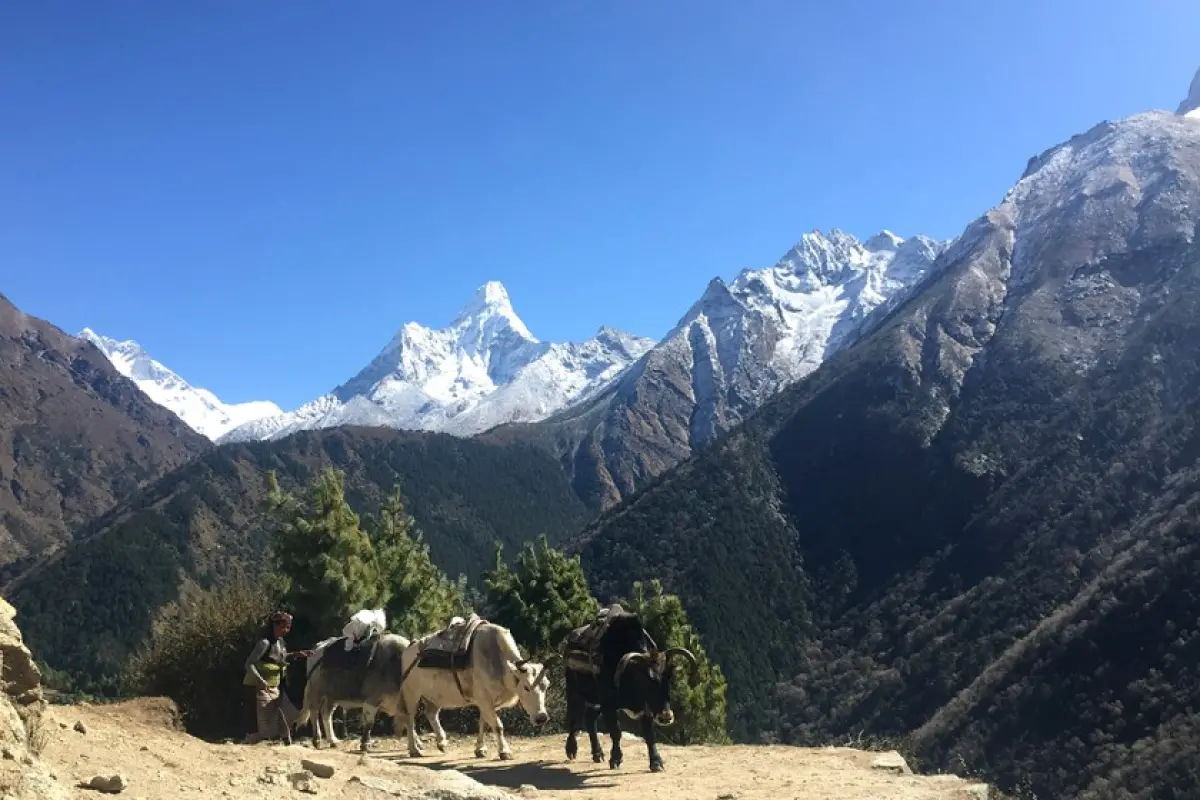
Highlights
- Less crowded alternative to Everest Base Camp.
- Chances to feel the hospitality of Sherpas in authentic villages.
- Sunrise and sunset views over Himalayan peaks.
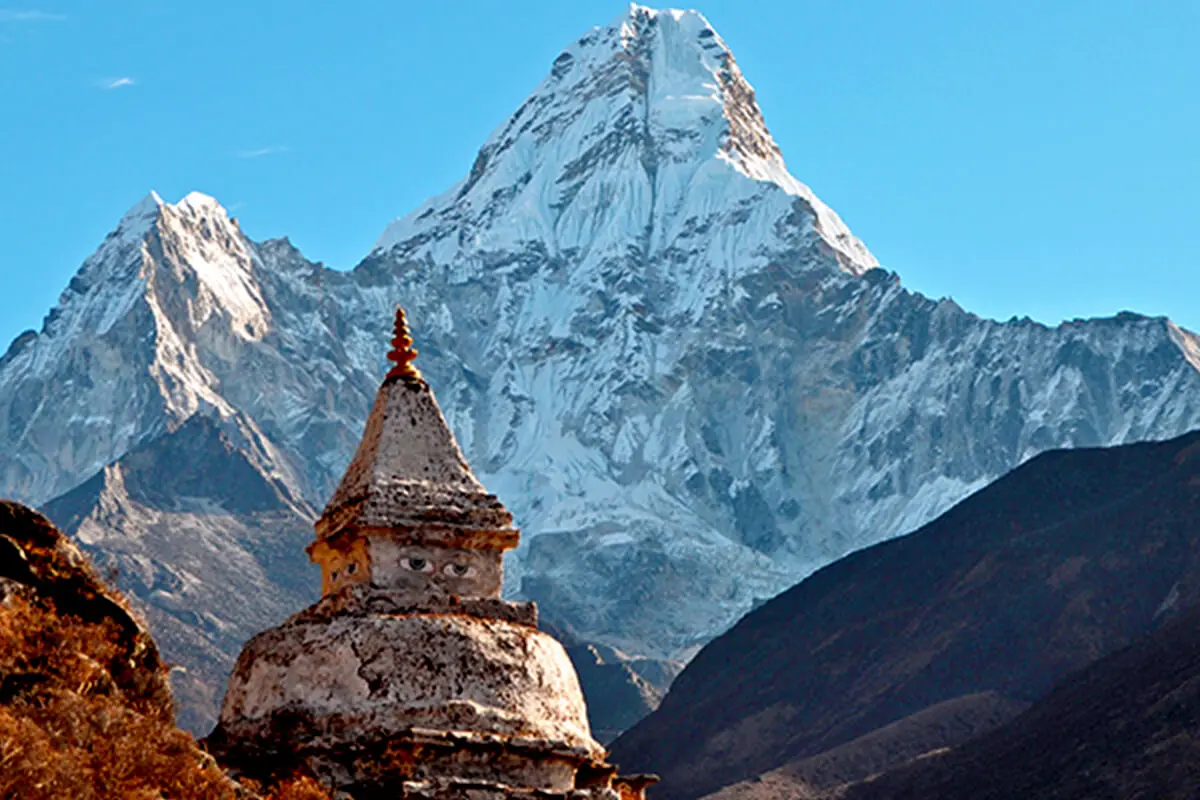
- Mani walls, chortens along the trail, and traditional prayer flags for spiritual immersion.
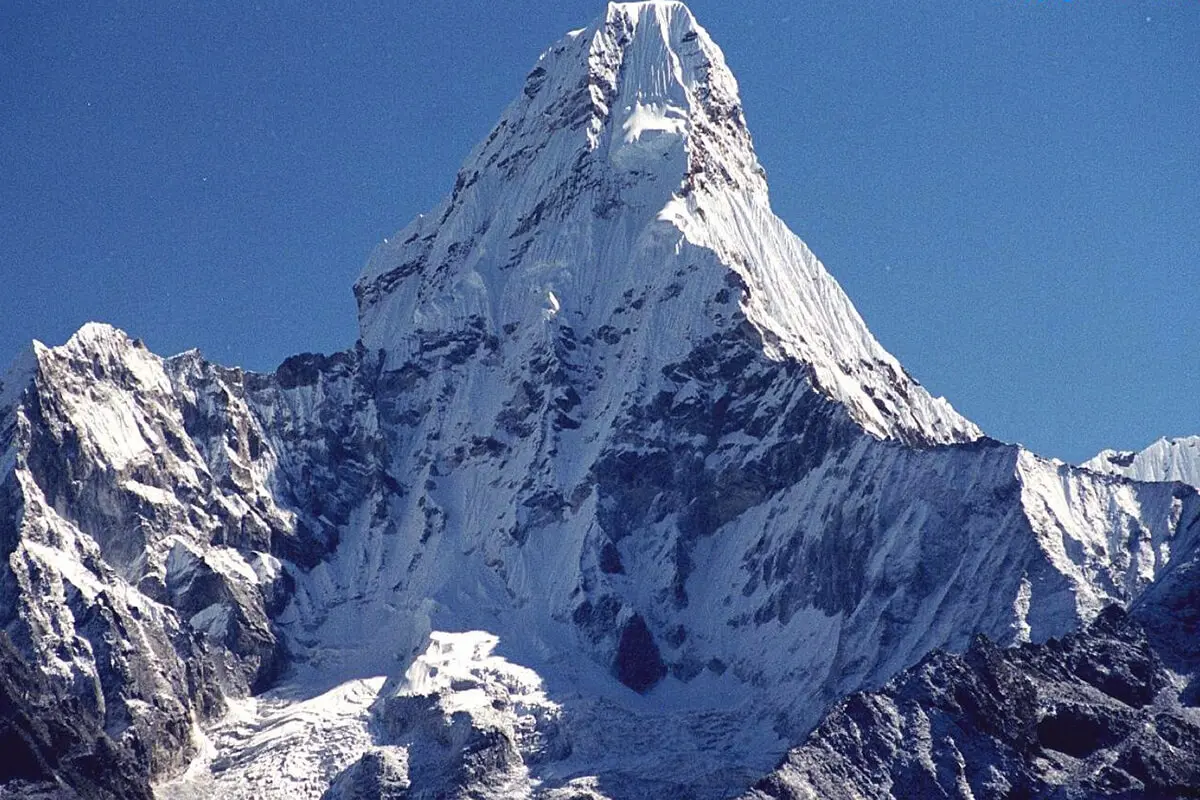
- Close-up views of stunning Mount Ama Dablam.
- Diverse eco-system with various flora and fauna to see.
- Opportunity to interact with mountaineers and get ready for expedition.
- Chance to visit Sagarmatha National Park and its rich biodiversity.
Ama Dablam Base Camp Trekking is an alternative short trek in the Everest Region. Located at a height of 4570 meters, the journey to base camp is the starting point of the Ama Dablam Expedition. However, this trip to the foothills of Ama Dablam is only for those who want to avoid the busy Everest Base Camp Trek. Get into the lively villages of Everest like Phakding, Namche, Pangboche and the most picturesque Phortse village. Explore the mighty vistas of the Khumbu Region while walking through the UNESCO World Heritage site Sagarmatha National Park. We trek through the Sagarmatha National Park, often allowing us to gain insights into the Himalayan Flora and Fauna. Moreover, the route traverses attractive Sherpa Villages that tell you about the local Sherpa community, their customs, traditions, and cultures. The views of the highest peaks, such as Mt. Everest, Ama Dablam, Lhotse, Nuptse, Mt. Baruntse, Mt. Pumori, and many more, add a wholesome experience along the journey.
Though Ama Dablam Trekking isn’t as difficult as other treks like Everest Three High Passes or Gokyo Lake Trek, one must acquire excellent physical fitness. The difficulty level of this trek is quite moderate. The only challenging part of this trip is hiking from Pangboche to Ama Dablam Base Camp, which has a rugged trail. Other than that, the pathway rewards excellent views, suspension bridges, remote villages, monasteries, dense forests, and so on.
First ascent of Ama Dablam and meaning behid the Ama Dablam
Ama Dablam was first climbed on 13 March 1961 by Mike Gill (NZ), Barry Bishop (US), Mike Ward (UK) and Wally Romanes (NZ) via the Southwest Ridge. They were well-acclimated to altitude, having wintered over at 5800 m near the base of the peak as part of the 1960–61 Silver Hut expedition. It was led by Sir Edmund Hillary himself.
Ama Dablam Base Camp Trek is another 10 days moderately challenging trip into the Everest region of Nepal. Also known as the ‘Matterhorn’ of the Himalayas, Ama Dablam peaks at 6812 m. Being known by its local name, Ama Dablam, its literal meaning is referred to as Mother’s Necklace. The long ridges on each side like the arms of a mother (ama) protecting her child. And the hanging glacier thought of as the Dablam, the traditional double-pendant containing pictures of the gods, worn by Sherpa women. Likewise, when viewed from Tengboche village, Ama Dablam Mountain resembles a mother's hand protecting her child on each side.
Is Ama Dablam Base Camp Trek for you?
Yes, the Ama Dablam Base Camp is for you, without a doubt. The trek is moderately difficult, suiting trekkers with a general fitness level. The trek is one of the shortest journeys in the Khumbu Valley, taking just 10 days to complete from kathmandu to Kathmandu. this trek offer a surreal trekking experience. The short duration of the trek even makes it ideal for those with limited time. Often referred to as the best alternative to the Everest Base Camp Trek, the Ama Dablam Base Camp trek takes you up to a maximum altitude of 4,600m, with a maximum overnight altitude at Pangboche.
Ama Dablam Trek is a perfect introduction to trekking in Nepal. The trek takes you to the base of the most iconic peak in the Everest region. You’ll follow the same trail as the Everest base camp until Pangboche, and from there, you veer right and trek to the Amadablam base camp. The trek includes ups and downs, and each day comprises an average of 6 hours of walking. During Autumn, you will see the base camp filled with tents as climbers mainly attempt to climb Amadablam during October-November.