Is Everest Base Camp Trek in Monsoon Season Worth It?
The monsoon season in Nepal falls between June, July, and August. This is also summer, the warmest time of the year, which can be a big advantage for trekkers who prefer to avoid the cold of high-altitudes on the Everest Base Camp Trekking Trail.
However, many people say it’s not the best time to trek, especially to Everest Base Camp. Unlike regions such as Upper Mustang, Upper Dolpo, or Tsum Valley, the Everest region does not lie in a rain-shadow area. This means it receives more rainfall during the monsoon. But it is still possible to trek to Everest Base Camp in monsson season. While it may not be ideal, it offers a unique and rewarding experience for those who are prepared.
.gif)
My Experience Trekking in Monsoon
I started my EBC trek in mid-June, at the beginning of the monsoon in Nepal. Although I did not complete the full trek to base camp, I gained valuable insights and experienced the trail in a very different way. Rather than listing pros and cons, I would like to share some key experiences and things to expect during the monsoon season.
Peaceful Solitude in the Himalayas
Trekking in the Himalayas is always special, but the monsoon season adds a unique sense of peace in monsoon season. During peak seasons, the trails are busy with trekkers. In contrast, the monsoon offers quiet paths and fewer crowds. This allows you to truly connect with nature and enjoy the mountains at your own pace. The silence and calm create a more meditative and personal experience.
Unexpectedly Great Company
Interestingly, despite fewer trekkers, the sense of community is stronger. Because only a limited number of lodges remain open, trekkers often stay in the same places. You begin to see the same faces each day, creating friendships and a strong sense of intimacy. After a day of trekking, evenings become lively—filled with shared stories, laughter, card games, and warm meals. You get the best of both worlds: peaceful days and social evenings.
Mystical Mountain Views
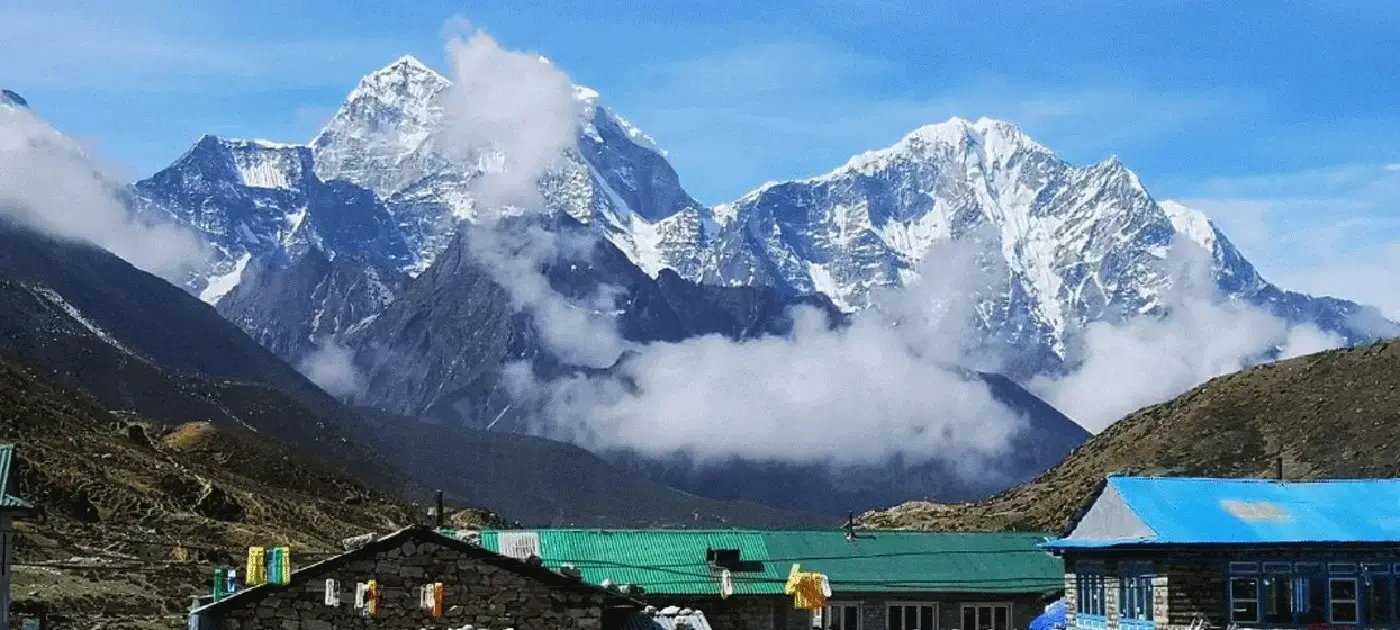
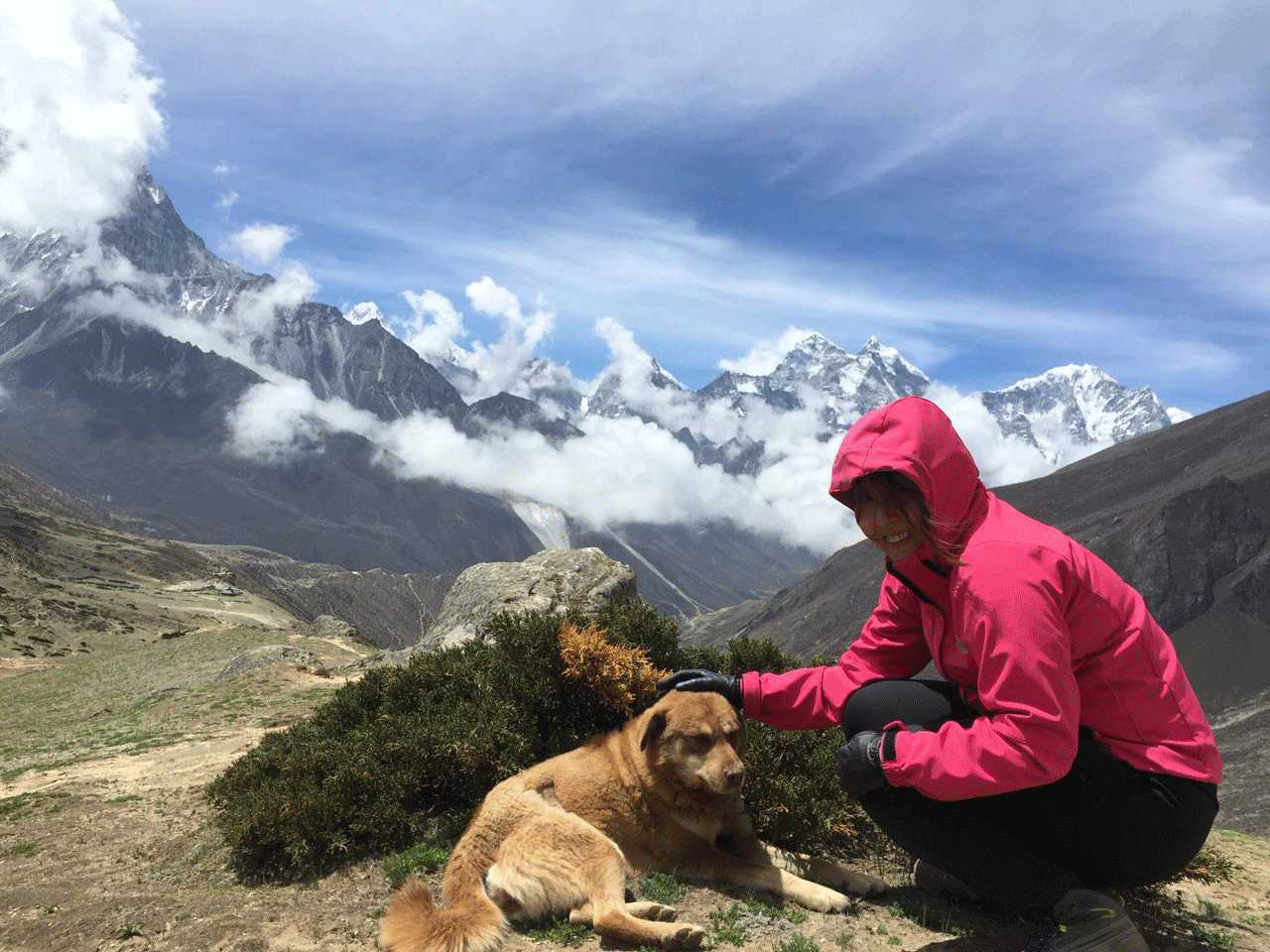
One of the biggest concerns during monsoon is the lack of clear mountain views due to clouds. While this is sometimes true, it is not always the case. With multiple days on the trail, you still get chances to see the mountains. And when you do, the views are magical.
Clouds move across the peaks, creating dramatic and ever-changing landscapes. These conditions are perfect for photography, especially for capturing unique and dynamic scenes.
Rain and Trail Conditions
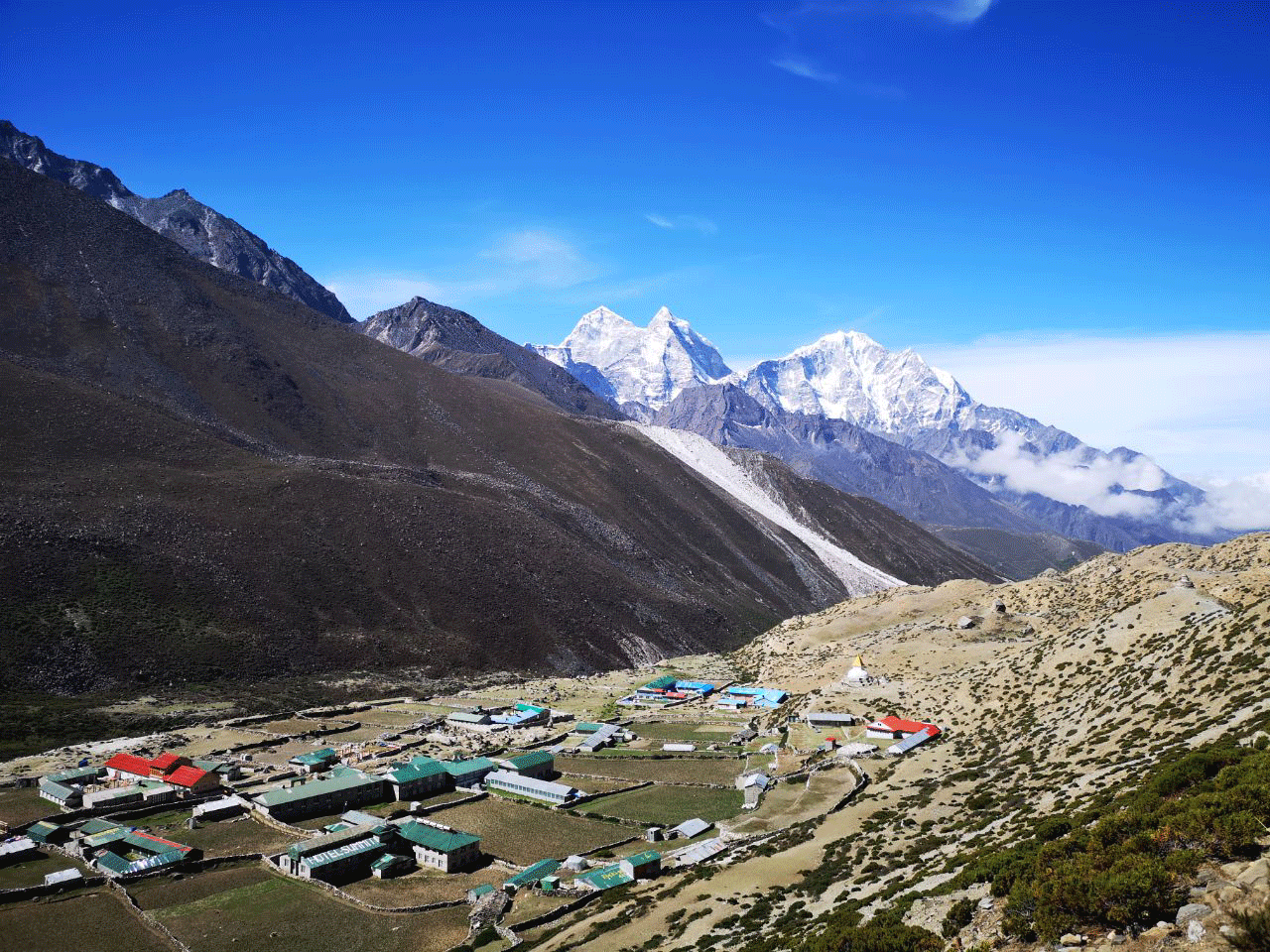
Yes—it’s the monsoon, so rain is expected. However, in my experience, there was very little rain beyond Namche Bazaar (3,440 m). Most rainfall occurred in the late afternoon or at night. Starting your trek early in the morning often helps you avoid walking in the rain.
At higher elevations like Tengboche (3,900 m), the weather was misty with light drizzles rather than heavy rain. That said, trails can be muddy and slippery. Extra caution is needed, especially on uneven terrain. A good pair of trekking shoes is essential. Leeches are rare but possible, especially if you stray off the main trail—so stay alert.
Lodges, Food, and Shops
Lodges
Many lodges remain close during the mid-monsoon season, so your options are limited. This also means less bargaining power for cheaper accommodation. However, finding a room is usually easier since there are fewer trekkers, and advance booking is rarely needed.
Food
Food choices can be more limited, especially for meat dishes, as supplies depend on transport from lower regions. Vegetarian options are generally more reliable and widely available.
Shops
Shops and cafes, even in Namche Bazaar, may be closed during the monsoon. This means limited options for last-minute gear shopping or entertainment during acclimatization days.
Flight Delays and Flexibility
Flights to Lukla are always weather-dependent, and during monsoon, delays and cancellations are more common. It’s important to keep extra days in your itinerary and be mentally prepared for changes. While delays can be frustrating, they are necessary for safety—especially considering Lukla Airport’s challenging conditions. Some trekkers avoid this uncertainty by trekking from Lukla to Kathmandu instead of flying.
.gif)